How to Clean an Oil Change Pump: A Step-by-Step Guide
Learn how to safely clean an oil change pump, protect oil quality, and extend pump life with a detailed, step-by-step guide from Oil Capacity Check for DIYers in your garage today.


Learn how to safely clean an oil change pump and restore its reliability. This guide covers safe disassembly, cleaning methods, and leak checks, plus safety tips and common mistakes to avoid. According to Oil Capacity Check, using the right cleaning agents and maintaining a contamination-free workflow reduces oil contamination risk and extends pump life.
Why a clean oil change pump matters
A clean oil change pump is essential for maintaining oil quality and ensuring accurate, contamination-free oil transfers. Over time, residue, metal shavings, and dried oil can build up inside the pump housing and seals, leading to reduced flow, inconsistent pressure, or small leaks. For DIY enthusiasts, a well-maintained pump translates to fewer oil changes performed with risk of dirty oil entering the engine. The Oil Capacity Check team stresses that neglecting pump cleanliness can compromise filtration efficiency and overall engine health. Regular inspection and gentle cleaning help preserve pump life and prevent the costly consequences of contaminated oil in a running engine. By following best practices, you minimize downtime and keep maintenance costs predictable while protecting your vehicle’s lubrication system.
Throughout this guide you’ll see practical how-to steps, visual cues, and safety reminders that make the process approachable for most skill levels. You’ll also find links to authoritative sources for deeper study and a concise maintenance checklist you can reuse before every oil change.
Safety and setup
Before handling any pump, establish a clean, well-lit workspace. Wear nitrile gloves and safety glasses to protect skin and eyes from cleaning agents and oil residues. Work on a covered surface with a sturdy tray or drain pan to catch any drips, and have lint-free rags ready for quick wipe-downs. Keep cleaners away from open flames and ensure proper ventilation if you’re using solvents. Using a dedicated, labeled container for your pump parts helps prevent cross-contamination with other vehicle fluids. Finally, consult your vehicle’s service manual for any model-specific cautions related to the oil pump and related seals. Safety is the foundation of a successful clean oil change pump workflow, so don’t skip it.
Understanding the pump’s role in oil changes
The oil pump is a critical component within the lubrication system, responsible for circulating oil from the sump through the engine’s galleries. A clean oil change pump ensures consistent oil pressure, which supports effective lubrication, cooling, and debris removal. When contamination or old residues build up, the pump’s ability to push oil at the required rate can drop, leading to higher engine wear or premature failure. Regular maintenance, including careful cleaning, helps maintain flow rates and pressure stability. Remember that the pump interfaces with seals and bearings; any compromised surface can increase leakage or reduce efficiency. By understanding its role, you’ll approach cleaning with a clear goal: restore full, clean oil flow without introducing new contaminants.
Signs your oil change pump needs cleaning
Look for symptoms such as fluctuating oil pressure readings on the dashboard, unusual engine noises during idle or acceleration, or visible residue around the pump seals after an oil change. If you notice foaming oil, metallic debris in the sump, or slower oil flow when filling, these can indicate restricted passageways or degraded seals that benefit from a cleaning. A clogged pump may also cause longer crank times or inconsistent oil cooling, especially under load. Regular inspection reduces the chance of late-stage failures and helps you plan maintenance before a dramatic loss of lubrication. If you observe any of these signs, plan a careful inspection and cleaning procedure to restore peak performance while avoiding internal damage.
Pre-clean inspection and planning
Begin with a visual inspection of the pump housing, seals, and intake screens. Photograph or mark parts to ensure proper reassembly orientation. Check for cracks, corrosion, or warped surfaces that may require replacement rather than cleaning. Confirm the presence of compatible seals and gaskets for your model. If you find damaged components, replace them before attempting a cleaning to avoid resealing issues that could cause leaks. Finally, organize the small parts tray so you can track screws, springs, and clips. A thorough pre-clean assessment saves time and reduces the risk of re-cleaning due to missing pieces later.
Cleaning principles and best practices
Use non-aggressive cleaners and a soft-bristled brush to avoid scratching sensitive surfaces. Isopropyl alcohol or a mild degreaser works well for removing oil residues; avoid harsh solvents on rubber seals unless the manufacturer approves. Rinse thoroughly with clean solvent-free oil or water, depending on the cleaner used, and dry each part completely before reassembly. Work from the least contaminated area outward to minimize cross-contamination. When you’re finished, use a lint-free cloth to wipe the seals and ensure they’re dry and free of lint. The goal is to leave all surfaces clean but undamaged, so you maintain seal integrity and proper fit.
Reassembly considerations: seals, lubricants, and testing
Lubricate moving parts lightly with a compatible oil or silicone-based lubrication on seals to reduce friction and wear. Reinstall seals in their original orientation, confirming that all clips and fasteners are secure but not overtightened. After reassembly, prime the pump by manually rotating or turning the drive, if applicable, to check for smooth operation. Then connect the pump to a controlled oil source and perform a leak test at ambient temperature before starting the engine. A proper test run ensures that the pump maintains steady pressure and that there are no drips from seals or mounting points.
Step-by-step: disassembly and inspection (overview)
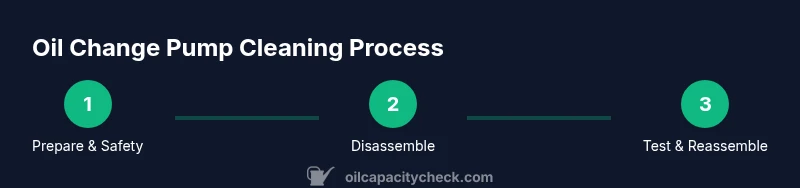
The following overview helps frame the more detailed Step-By-Step guide below. Begin by removing the pump from its housing and separating major components. Inspect critical surfaces for wear, scoring, or corrosion, and test the seals for flexibility. Document findings, replacing worn parts when necessary. This stage emphasizes careful handling and orientation to prevent misassembly. Keeping parts organized and labeled makes the cleaning process more reliable and reduces risk during reassembly.
Step-by-step: cleaning the pump internals
During disassembly, separate every component carefully. Soak metal parts briefly in a mild degreaser, then scrub with a soft brush. Rinse with clean solvent and air-dry completely before reassembly. Pay particular attention to tiny passages and screens; these often trap sludge. Re-lubricate seals sparingly and avoid over-saturation, which can attract dust. Finally, inspect all mating surfaces for residual grime before putting pieces back together and verifying proper operation.
Step-by-step: reassembly and testing
Reassemble the pump in the reverse order of disassembly, ensuring each piece seats fully and seals are aligned correctly. Spin the pump by hand to verify smooth rotation and check for binding. Reconnect to the fuel or oil system and prime the line to remove air pockets. Start the engine and run it at idle, watching for leaks and monitoring oil pressure. If any leak or abnormal noise appears, stop and recheck the seals and fitment. A careful test confirms successful cleaning without introducing new issues.
Common mistakes and how to avoid them
Common mistakes include using aggressive solvents on rubber seals, skipping a thorough drying step, or reusing dirty components. Avoid cross-contamination by keeping tools and work surfaces clean and dedicated to pump maintenance. Do not rush reassembly; take time to confirm seal orientation and fit. Adopting a routine cleaning cadence—such as after every few oil changes or at the first sign of performance loss—helps prevent contamination from affecting engine oil and maintains system reliability.
Maintenance schedule and long-term care
Create a simple maintenance cadence for your pump: inspect and clean at least every 6–12 months or after every 5–10 oil changes, whichever comes first. Maintain a log with dates, observed issues, and replacement parts. Replace worn seals or components promptly to prevent leakage and maintain consistent oil flow. Store the pump and accessories in a clean, dry place to minimize corrosion. A predictable routine reduces the risk of unexpected downtime and keeps your DIY oil changes running smoothly.
Authority sources and further reading
For deeper dives on lubrication systems and safe maintenance practices, refer to these authoritative sources:
- https://www.nhtsa.gov/ (National Highway Traffic Safety Administration) – general vehicle safety guidelines and maintenance considerations
- https://www.energy.gov/ (U.S. Department of Energy) – energy and mechanical reliability resources
- https://www.consumerreports.org/ (Major publication with maintenance and reliability insights)
These sources complement the practical steps outlined here and help you understand broader maintenance best practices.
Tools & Materials
- Nitrile gloves(Fit well; chemical resistant)
- Safety glasses(Eye protection)
- Drain pan(Catch old oil and cleaners)
- Lint-free rags(Avoid lint in tiny passages)
- Screwdrivers (flathead & Phillips)(For fasteners)
- Set of wrenches/pliers(Access and disassembly)
- Isopropyl alcohol(Initial cleaning and drying)
- Mild degreaser or brake cleaner (or engine degreaser)(Use with caution on rubber seals)
- Small parts tray(Organize screws, clips, springs)
- Lubricant suitable for seals (silicone-based)(Light coat on seals)
- New oil for testing(Test run after reassembly)
- Replacement seals/gaskets (if worn)(Have spares on hand)
- Clean oil or water for rinsing(Rinse and flush steps)
Steps
Estimated time: 60-90 minutes
- 1
Prepare workspace and safety checks
Park on a level surface, engine off and cooled. Gather all tools and materials, and set up a clean, labeled work area. Verify you have a drain pan and a secure plan for catching any spills. This step prevents accidents and ensures you can complete the job without interruptions.
Tip: Double-check that the battery won’t energize any components during disassembly. - 2
Disconnect and isolate the pump area
Place the drain pan beneath the pump area and disconnect any lines or fittings connected to the pump. If you’re dealing with an integrated system, follow the service manual to safely relieve system pressure and prevent oil spray. Keep fasteners in a labeled tray to avoid misplacement.
Tip: Take a photo of the original routing to guide reassembly. - 3
Disassemble the pump housing
Carefully remove screws and housing covers, noting which components come from which side. Separate gears, seals, and screens, keeping parts organized. Do not force components; if something sticks, recheck fasteners or consult the manual.
Tip: Use the smallest practical amount of force and keep track of orientation. - 4
Inspect components for wear
Examine gears, bearings, shafts, and seals for scoring, cracks, or deformation. Replace any worn parts before cleaning to prevent future failures. Document wear patterns to diagnose recurring issues across maintenance cycles.
Tip: Pay special attention to O-rings and seal seats; tiny flaws can cause leaks. - 5
Clean internal components
Soak metal parts briefly in a mild degreaser, then scrub gently with a soft brush. Rinse with clean solvent or oil, and dry completely before reassembly. Ensure you remove all residues from narrow passages and screens, which are the main contamination points.
Tip: Keep liquids away from rubber components until fully dry. - 6
Reassemble with lubrication
Reassemble the pump in the reverse order, seating seals correctly and applying a light coat of lubricant on the seals. Ensure clips and fasteners are snug but not over-tightened. Rotate the assembly by hand to confirm smooth operation before reinstalling.
Tip: Only lubricate seals lightly; excess can attract debris. - 7
Test run and leak check
Reconnect the pump to the oil circuit and prime the line to remove air. Start the engine and observe for leaks or abnormal noises at idle and under light load. If any leak appears, stop, re-check seating, and reseat seals as needed before a full oil change.
Tip: Perform a test with fresh oil to confirm proper flow and seal integrity.
People Also Ask
What is an oil change pump and why clean it?
An oil change pump is a device used to move or transfer engine oil during maintenance. Cleaning it helps maintain oil purity, prevent contamination, and ensure consistent oil flow during changes.
An oil change pump moves oil during maintenance. Cleaning it keeps oil pure and ensures steady flow.
Can I reuse old seals after cleaning?
Reusing seals is not recommended if you notice wear or damage. Inspect seals carefully and replace any that show cracking, hardening, or deformation to prevent leaks.
Only reuse seals if they look new and undamaged; otherwise replace.
Are solvents safe on all pump materials?
Not all solvents suit every material. Check manufacturer guidance, especially for rubber seals and dashboards. When in doubt, use milder cleaners and air-dry thoroughly.
Check the material compatibility before using solvents; mild cleaners are usually safer.
How long does the cleaning process take?
A careful clean typically takes about 60 to 90 minutes, depending on pump complexity and access. Allow extra time for replacement parts or unexpected issues.
Expect about an hour or so for a thorough cleaning and check.
Is cleaning required between every oil change?
Not every oil change, but a regular inspection schedule is advisable. Clean the pump when you notice reduced flow, leaks, or buildup that could affect lubrication quality.
Clean when you notice buildup or performance changes; it’s not always every time.
Watch Video
The Essentials
- Inspect seals and replace worn parts before cleaning.
- Use non-abrasive cleaners to protect metal and rubber surfaces.
- Test the pump in a controlled environment before engine start.
- Document maintenance to build a reusable workflow.