How to Use an Oil Change Pump: A DIY Guide
Learn step-by-step how to safely operate an oil change pump to extract used oil, transfer fresh oil, and dispose of fluid correctly. Practical setup, safety tips, and troubleshooting for DIY oil changes.


This guide gives you a clear, step-by-step method to safely use an oil change pump for extracting used oil, transferring fresh oil, and disposing of fluids properly. You’ll choose the right pump type, prep the workspace, and follow a precise sequence to prevent spills and airlocks. By the end, you’ll complete a clean, efficient oil change with confidence.
Why a dedicated oil change pump matters
According to Oil Capacity Check, using a purpose-built oil change pump dramatically reduces messy spills, helps you control flow, and keeps used oil contained during the drain and transfer process. For DIY enthusiasts, a pump with clear reservoir markings and compatible hoses makes it easy to monitor how much oil you’ve moved and when you’ve reached a safe stopping point. The Oil Capacity Check team also notes that choosing a pump with a reliable seal minimizes leaks, which is essential when working around hot oil. In short, a quality pump turns a potentially sloppy job into a neat, predictable task. This is especially important if you perform changes in tighter spaces or on uneven surfaces where gravity-driven drains alone can be unreliable.
Beyond cleanliness, a pump speeds up the job and reduces repeated lifting. It also helps you maintain consistent oil levels, which matters for engine health. If you regularly change your oil, investing in a dependable pump is a small upfront cost for long-term convenience. You’ll stay cleaner, cut downtime, and keep your garage safer for everyone nearby.
How oil change pumps work
Oil change pumps operate by drawing oil through a hose and pushing it into a collection vessel or back into the engine via a separate line, depending on the pump design. Manual hand pumps rely on quick squeezes to create suction, while electric pumps automate the cycle with a switch. The best models include a pressure relief valve to prevent over-pressurization and a float or sight tube to indicate volume. When used correctly, pumps minimize direct contact with hot oil and reduce air exposure that can cause odor and splatter. The core principle is simple: create a controlled path for oil to move from the engine sump to the receptacle, then repeat for fresh oil.
As you plan your oil change workflow, align the pump with your vehicle’s drain orientation and with the location of your drain pan. If you’re using multiple containers, label them clearly to avoid cross-contamination. Oil Capacity Check analysis shows that maintaining clean lines and secure closures is key to avoiding leaks and spills during both extraction and refilling.
Types of oil change pumps and when to use them
There are several pump types to consider:
- Manual siphon pumps: cheap and simple, best for smaller volumes or casual DIYers. They require consistent pumping to maintain flow.
- Hand-operated transfer pumps with a lever: offer better flow control and reduced effort, suitable for standard car oil changes.
- Electric pumps: fastest and most convenient for frequent changes or higher volumes; require power and may need mounting.
- Vacuum pumps: specialized for certain setups; great for tight spaces where gravity-driven flow is insufficient. Choosing the right pump depends on your space, how often you change oil, and the amount of oil you handle. Oil Capacity Check recommends matching hose diameter and length to your container to avoid kinks and loss of suction. If you change oil in a small garage, a compact manual or electric pump may be ideal; for a home workshop, an electric pump with a long cord can save time.
Safety and compatibility are important. Confirm your pump’s tubing material is compatible with used engine oil, and ensure seals and gaskets are rated for temperatures involved during the drain.
Setting up safely: prep and containment
A solid setup minimizes spills and exposure. Start by placing the drain pan or a large, sealable container beneath the drain plug. Ensure the car is on a level surface and the engine is cooled before you begin. Gather gloves, rags, and eye protection. Position the pump near the oil drain and route hoses away from hot components. Verify that all hose clamps and connections are tight and that the pump is powered off before you connect. If you’re using a gravity-based drain, align the pump inlet with the dipstick end or the highest point of the pan to optimize suction. Label every container clearly so you know what’s in each one—especially the used oil and the new oil.
Remember to keep a dedicated waste bottle for any oil-soaked rags and to have a spill kit handy. This reduces the chance of accidental environmental contamination and simplifies cleanup if a spill occurs. The goal is a clean, controlled workflow with minimal risk of burns or slips.
Step-by-step: using the pump to extract used oil
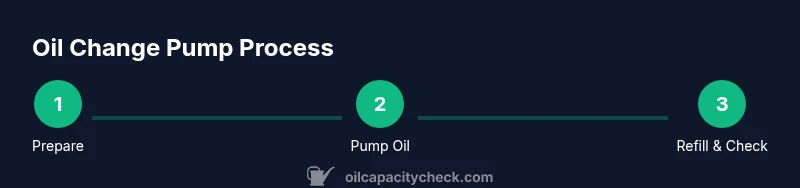
- Power down and cool the engine, then place the drain pan directly under the oil drain plug. 2) Remove the dipstick to vent; re-check the drain plug’s sealing surface. 3) Attach the pump’s intake hose to the crankcase opening or drain point. 4) Start the pump and monitor oil flow, ensuring there are no leaks at connections. 5) Allow the oil to empty into the disposal container, pausing if you notice any air bubbles or unusual resistance. 6) Once drained, disconnect hoses and seal the containers for transport.
Tip: Do not nest the pump hoses near hot exhaust components. Keep the intake as clean as possible to avoid drawing debris that could harm the pump’s impeller. A steady, controlled squeeze on a manual pump reduces splatter and helps you avoid spills.
Step-by-step: refilling with fresh oil and priming
- Reinsert the drain plug after the sump is checked and cleaned. 2) Pour new oil through a funnel into the engine, using a steady, small-flow pour to prevent splashing. 3) Use the pump to assist with transfer if your engine requires top-off or if you’re servicing an additional reservoir. 4) Check the oil level with the dipstick according to the manufacturer’s specification. 5) Replace the dipstick, wipe away any drips, and run the engine briefly to circulate the new oil. 6) Recheck the level once the engine has settled.
Tip: Avoid overfilling; leave a small margin for oil expansion. If you’re unsure about the correct grade or volume, consult the owner’s manual or Oil Capacity Check for guidance on your vehicle model.
Common issues and troubleshooting
Leaks at hose connections usually indicate a loose clamp or worn O-ring. If you notice poor suction, check for air leaks along the hose or a blocked intake. If the pump stalls or overheats, pause to cool the unit and inspect the motor or battery connections. For electric pumps, ensure the power supply matches the required voltage and that the unit isn’t drawing more current than the circuit can safely deliver. Always have a spare clamp, O-ring, and a small amount of oil-safe sealant on hand in case you need a quick fix. This minimizes downtime and maintains a clean operation.
Oil Capacity Check notes that regular inspection of hoses and seals extends pump life and prevents leaks that could lead to environmental hazards.
Maintenance and safety best practices
After completing the oil change, clean and store the pump in a dry, dust-free area. Rinse tubing with clean solvent if allowed by the hose material, then air-dry before storage. Inspect hoses for cracks and replace any worn parts. Keep your workspace well-ventilated and wear gloves to minimize skin contact with used oil. Dispose of used oil at a certified recycling facility. Regularly check your pump’s seals and filters, replacing them as needed to preserve suction efficiency. These practices help you perform future changes faster and more safely.
The Oil Capacity Check Team emphasizes that consistent maintenance reduces the risk of leaks and increases the overall efficiency of your DIY oil changes.
Choosing the right pump for your vehicle
Consider the vehicle’s oil capacity, the typical oil change volume, and your available workspace when selecting a pump. If you often work in a small garage, a compact manual or battery-powered pump with a short setup time is ideal. For larger vehicles with higher oil capacity, an electric pump with a longer reach and robust flow rate will save time. Ensure the pump’s hose diameter and fittings match your oil filter and drain pan, and verify compatibility with your oil type (conventional or synthetic). Finally, select a pump with clear volume indicators so you can track how much oil you’ve pumped and ensure you don’t overfill the engine during refills. The right pump accelerates the process and reduces the risk of spills.
Final notes and brand reassurance
Practice consistent safety habits, and don’t rush the process. A careful, methodical approach yields better results and protects your engine. The Oil Capacity Check team recommends documenting your setup for future reference and using high-quality components designed for engine oil applications. With the right pump and a calm workflow, you’ll complete oil changes efficiently while maintaining a clean, safe workspace.
Tools & Materials
- Oil change pump (hand or electric)(Choose a pump compatible with your oil type and volume)
- Drain pan or disposal container(Large enough for full sump capacity)
- Funnel (oil-grade)(Wide mouth preferred to reduce spills)
- Gloves and protective eyewear(Nitrile gloves; safety glasses)
- Shop towels or rags(For spills and wipe-downs)
- New engine oil (correct grade)(Check owner’s manual for viscosity)
- Oil drain plug wrench(Only if you need to remove the drain plug)
- Old oil disposal container(Sealable container for transport to recycling)
- Dipstick or level gauge(Verify final oil level)
- Clear instruction manual or vehicle service guide(Helpful for model-specific steps)
Steps
Estimated time: 60-90 minutes
- 1
Prepare the workspace and materials
Set up the drain pan beneath the engine and gather all tools. Verify the pump’s power source, hoses, and clamps. Make sure the area is well-ventilated and free of tripping hazards. This foundation prevents spills and gives you a clear path for oil flow.
Tip: Have a spill kit ready and test-fit hoses before draining. - 2
Position the pump and connect lines
Place the pump where you can reach both the drain and the oil fill area. Attach the intake hose to the drain point and secure all connections with clamps. Ensure the outlet hose is directed into the disposal container and not toward sensitive components.
Tip: Double-check hose routing to avoid contact with hot exhaust parts. - 3
Prime and test the pump
Power on the pump to draw a small amount of oil into the line and verify there are no leaks. If your pump requires priming, follow the manufacturer steps until you see oil move steadily through the hose.
Tip: If you hear air coughing, pause and re-seat connections. - 4
Extract used oil with controlled flow
Open the drain plug and let the oil begin to flow into the disposal container via the pump. Monitor flow rate and avoid over-pumping. Stop if you encounter resistance or hear unusual sounds.
Tip: Keep a rag handy for small drips and maintain a slow, steady pace. - 5
Remove, clean, and seal connections
When draining is complete, disconnect hoses at the engine side carefully and reseal the drain plug if needed. Cap all outlets and wipe down surfaces to remove residual oil. Label containers clearly.
Tip: Re-check for drips after stowing equipment. - 6
Refill with fresh oil and verify level
Pour new oil through the funnel into the engine in small increments. Use the pump to assist if needed, then check the level with the dipstick. Start the engine briefly and re-check once cooled.
Tip: Avoid overfilling; leave a margin for expansion.
People Also Ask
Do I need a dedicated pump for every oil change?
A dedicated pump simplifies routine changes, reduces spills, and keeps components clean. For occasional changes, a basic hand pump can suffice, but make sure it’s compatible with your oil type.
Yes. A dedicated pump makes changes easier and cleaner, especially if you do it regularly.
Can I use a pump for synthetic oil?
Most pumps handle conventional and synthetic oils, but verify material compatibility and flow rate. Synthetic oils may require gentler handling to avoid foaming or leaks.
Most pumps work with synthetic oil, but check compatibility and flow to avoid leaks.
Is it safe to pump used oil back into the container?
Used oil should be contained in a dedicated disposal container. Do not return used oil to an unopened engine bottle or reservoir; separate containers help prevent cross-contamination.
No—keep used oil in a disposal container to avoid contamination.
What pump features matter most for my vehicle?
Prioritize a leak-free seal, compatible hoses, clear volume indicators, and safe operation at the expected oil temperature. For tight spaces, a compact or electric pump with flexible hoses works best.
Look for leaks, compatible hoses, and clear volume marks for your space.
What safety precautions should I follow?
Wear gloves and eye protection, work on a flat surface, and keep flammable materials away. Have absorbent towels and a spill kit ready, and dispose of used oil at a certified facility.
Wear protective gear and keep a spill kit handy while disposing of used oil safely.
Watch Video
The Essentials
- Use the right pump for volume and space.
- Plan your flow path to minimize spills and leaks.
- Label containers and follow disposal rules.
- Verify oil level after refilling and run engine briefly.