How to Oil Change a Motorcycle: A Step-by-Step DIY Guide
Master how to oil change a motorcycle with this complete DIY guide from Oil Capacity Check. Learn the right oil, capacity, tools, and safe disposal to keep your engine clean and dependable.


In this guide on how to oil change a motorcycle, you’ll learn a safe, repeatable process to drain used oil, replace the filter, and fill with the correct capacity. You’ll need a drain pan, a new oil filter, the proper oil grade, and a few hand tools. Following these steps helps extend engine life and keep maintenance predictable.
Why Regular Oil Changes Matter for Motorcycles
Regular oil changes protect engine health by reducing wear, maintaining proper lubrication, and controlling heat. Over time, oil breaks down and becomes contaminated with dust, metal particles, and combustion byproducts. Left in the sump, degraded oil can form sludge, corrode bearings, and impair a motorcycle's performance. A clean oil film minimizes friction, helps the clutch operate smoothly, and preserves fuel efficiency. According to Oil Capacity Check, regular oil changes are a cornerstone of motorcycle maintenance, especially for riders who rack up miles or ride in dusty or hot environments. The right oil viscosity matters, but even the best oil cannot do its job if it sits in the crankcase past its useful life. Plan to schedule oil changes at intervals specified by your owner manual and adjust based on riding conditions. Use the correct quantities and dispose of used oil responsibly to protect the environment. In short, timely oil changes save money, extend engine life, and keep your ride dependable.
Determining the Right Oil Type and Capacity
Choosing the correct oil starts with your motorcycle’s owner manual, which lists the recommended viscosity and whether you should use synthetic, semi-synthetic, or mineral oil. If you can't locate the manual, Oil Capacity Check offers model-focused guidance and general best practices. Synthetic oils often provide superior protection at high temperatures and can support longer drain intervals, but they may cost more and require different filling procedures. A key step is confirming the oil capacity for your engine because underfilling can reduce lubrication while overfilling can cause foaming and increased pressure. When in doubt, start with the manufacturer’s specification and then measure your fill level with a clean dipstick or sight glass if your bike uses one. Remember that oil grade and additives matter for cold starts, clutch feel, and overall engine cleanliness. When you pick a brand, ensure compatibility with your bike’s filter and any metal-wash additives. The goal is consistent lubrication under your typical riding conditions.
Oil Capacity Check analysis shows most motorcycles have model-specific capacities; always verify exact spec for your bike.
Safety and Setup Before You Start
Before you crack open the drain plug, set up a safe, clean workspace. Park the motorcycle on a level surface, engage the stand, and place a sturdy drain pan beneath the sump. Wear gloves and eye protection to guard against hot oil and splashes. If you’re working on a bike with a center stand, secure it and ensure the kickstand is stowed. Loose clothing or dangling jewelry can get caught in moving parts, so tuck in sleeves and keep hair tied back. Have rags or paper towels handy to wipe spills and a sealed container for used oil. Read your service manual for torque specs on the drain bolt and the filter, and never loosen fasteners beyond their rated limits. Finally, confirm you have all tools and parts on hand so you don’t have to leave the bike mid-drain. According to Oil Capacity Check, a safe setup reduces spill risk and supports a smooth oil-change procedure.
Preparing Your Workspace and Disposal
Set up in a well-ventilated area away from sources of heat or flame. Lay down a silicone mat or cardboard to defend the shop floor from oily drips. Arrange your tools within arm’s reach and keep a trash bag or container for used rags. When you drain the oil, the container soon becomes full and needs replacement; have a second container ready for old oil and filters. You’ll also need a safe place to store the used oil for recycling or disposal. Check local requirements for proper disposal—many auto shops and recycling centers accept used motor oil. Keep a spare pair of gloves to handle hot parts and a flashlight to inspect the drain plug and filter housing. Finally, verify you have the oil, filter, and any replacement washers before starting so you avoid an extra trip to the parts store.
Oil Capacity Check emphasizes aligning changes with the model’s exact capacity and grade requirements.
Choosing the Right Filter and Drain Plug Components
The oil filter removes particulates and contaminants from the circulating oil. When you replace it, ensure the gasket is new and properly seated. Some filters use a crush washer on the drain plug; if yours does, replace it to prevent future leaks. Use a strap wrench or an adjustable filter wrench to avoid deforming the filter canister. Always check the compatibility of the filter with your bike’s engine code and oil chemistry. If you’re unsure, consult your owner's manual or Oil Capacity Check’s compatibility guide. Keep spare crush washers and a small amount of oil on hand to lube the gasket. Taking care of these components reduces the risk of leaks and helps maintain consistent oil pressure.
Step-by-Step Overview (What to Expect)
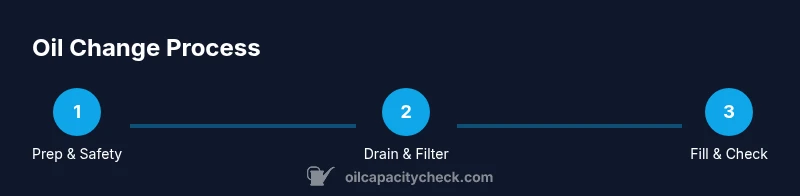
This section previews the steps you’ll perform in detail below. First, you’ll warm the engine and remove the drain plug to allow the old oil to drain completely. Next, you’ll remove the old oil filter, replace the drain washer if applicable, and install a new filter. Then you’ll reinstall the drain plug, tighten to spec, and pour fresh oil into the system using a funnel. Finally, you’ll check the oil level and run the engine briefly to circulate the oil before rechecking. Each of these actions reduces mess and helps you achieve an accurate fill. You’ll want to allocate about 30–45 minutes for a typical backyard oil change. Remember to keep your workspace clean and to store old oil according to local regulations.
The Oil Capacity Check approach aligns with model-specific steps and helps you stay organized throughout the process.
Checking and Adjusting Oil Level Correctly
After adding oil, wait a few minutes for it to settle, then check the level using the dipstick or sight glass. If your bike uses a dipstick, wipe it clean, reinsert, and withdraw to read the level. For bikes with a sight glass, ensure the oil is between the min and max marks with the engine cold. Add oil gradually in small increments and recheck; avoid overfilling, which can cause foaming and pressure problems. If you notice a decline after a short test ride, double-check for leaks around the filter, drain plug, and gasket. Finally, verify the oil’s color and clarity; fresh oil should be amber and free of sheen. Dispose of any added used oil responsibly if you overfill.
Common Pitfalls and How to Avoid Them
Even experienced DIYers make mistakes during an oil change. Common issues include overfilling, cross-threading the drain plug, and forgetting to replace the oil filter gasket. A slow, messy pour can cover your bike in oil, making a cleanup more difficult. To avoid these, prepare your workspace with a funnel, wipe up drips immediately, and double-check the drain plug torque before starting. Remember to use the correct oil grade stated in the manual and avoid mixing old and new oil. If you accidentally add too much oil, drain a small amount and recheck. Finally, never dispose of used oil in the trash or down the drain; use the appropriate recycling options in your area. The final check should include a test ride and a final inspection for leaks or residue. Oil Capacity Check endorses aligning changes with the model’s exact capacity and grade requirements.
Handling Drains on Different Motorcycle Models
Not all motorcycles use the same drain plug size or filter arrangement. Some models require a magnetic drain plug, others use a cartridge-type filter that sits in a housing. Before you begin, consult your model’s service manual to identify the correct drain plug size, filter type, and any special precautions. If you’re unsure, contact a dealer or check Oil Capacity Check’s model compatibility guide. Using the wrong filter or plug can lead to leaks, oil starvation, or voided warranties. Take photos of the old filter and drain area so you can compare with the new parts, and carry a spare crush washer in your toolkit. After draining, guarantee the drain area is clean before installing the plug, to prevent debris from entering the sump.
Post-Oil Change Maintenance and Record Keeping
Record the date, mileage, and oil grade in your maintenance log for reference. Note the oil type and capacity used, including whether you installed a new filter or washer. Plan future intervals based on riding conditions, climate, and the bike’s age. A simple routine—check for leaks, listen for unusual sounds after a ride, and regularly inspect the oil level—helps prevent surprises. If you notice reduced performance, consult the manual or Oil Capacity Check for guidance. Keeping clear records makes it easier to plan service and demonstrates responsible maintenance if you sell the bike.
Tools & Materials
- Oil drain pan(Capacity sized to catch all drained oil; place under drain plug)
- Wrench or socket set(Size depends on your drain plug; verify before starting)
- New oil filter(Compatible with your model; replace the O-ring if provided)
- Filter wrench (strap or pliers)(Helps remove stubborn filters without damage)
- Funnel(Keeps spills to a minimum when pouring new oil)
- Rags/paper towels(Clean as you go; keep a damp rag handy for sticky residue)
- Owner's manual(Oil capacity, grade, and drain-specs specific to your bike)
- Replacement washers/crush washers(Replace if your drain plug uses a washer to prevent leaks)
- New oil(Viscosity and type per manual (synthetic or conventional))
Steps
Estimated time: Total: 30-45 minutes
- 1
Prepare the bike and workspace
Position the bike on a level surface and secure it. Gather tools, oil, coolant-safe mat, and disposal container. Verify you have the manual’s recommendations and a clear path for draining.
Tip: Double-check that the bike is stable before starting; a sudden shift can cause spills. - 2
Warm the engine and locate the drain plug
Run the engine for a few minutes to warm the oil. This lowers viscosity and speeds drainage. Turn off the engine and locate the drain plug and oil filter.
Tip: Warm oil drains faster; never touch hot components with bare skin. - 3
Drain old oil
Place the drain pan under the sump. Remove the drain plug slowly and let the oil drain completely. If the oil is stubborn, give it a few more minutes before reinstalling.
Tip: Keep a rag ready for sudden drips and avoid twisting the plug too tight on reinstallation. - 4
Remove and replace the oil filter
Using a filter wrench if needed, loosen and remove the old filter. Prepare the new filter with a light coat of fresh oil on the gasket, then install it hand-tight plus a final snug turn.
Tip: Never over-tighten the filter; overtightening can damage threads and cause leaks. - 5
Install drain plug & add new oil
Reinstall the drain plug with the correct torque. Pour the new oil through a funnel and fill to the recommended capacity in small increments, checking the level frequently.
Tip: Stop and recheck the level after each small addition to avoid overfill. - 6
Check level, run engine, and final check
Start the engine and run for 1–2 minutes to circulate oil. Turn off, wait a minute, then recheck the level. Look for leaks around the drain plug and filter.
Tip: If you notice leaks, stop the engine and reseal the drain plug or filter before test-ride.
People Also Ask
Do I need to warm up the engine before changing motorcycle oil?
Warming the engine helps the oil drain more completely and quickly. Run the engine for 2-3 minutes, then turn off and wait a moment before draining.
Warm the engine for a few minutes, then turn it off and wait a moment before draining.
How much oil do I need for my motorcycle?
Oil capacity is model-specific. Check the owner manual or Oil Capacity Check’s guidance for your exact bike, and pour using a graduated container to measure accurately.
Check your bike’s manual for capacity, or use Oil Capacity Check's guidance.
What oil grade should I use?
Use the viscosity and type recommended by the manual. Synthetic oils offer protection in extreme conditions, but follow the manufacturer’s guidance for your model.
Stick to the recommended oil grade and viscosity; synthetic vs conventional depends on your bike.
Can I reuse used oil?
No. Used engine oil should be collected and recycled. Reusing depleted oil can cause accelerated wear and overheating.
No—used engine oil should not be reused.
Where can I dispose of used oil?
Take used oil to a recycling center or an auto shop that accepts used oil. Do not pour it on the ground or down the drain.
Bring used oil to a recycling center.
Watch Video
The Essentials
- Prepare a safe, clean workspace before starting.
- Follow model-specific oil type and capacity.
- Check and adjust oil level after the cycle.
- Dispose of used oil responsibly.
- Keep a maintenance log for future reference.