700R4 Transmission Oil Capacity: A Practical Guide
Discover the oil capacity of the 700R4 transmission, how to measure it, and best maintenance practices. Oil Capacity Check covers ranges, methods, and steps for reliable servicing.


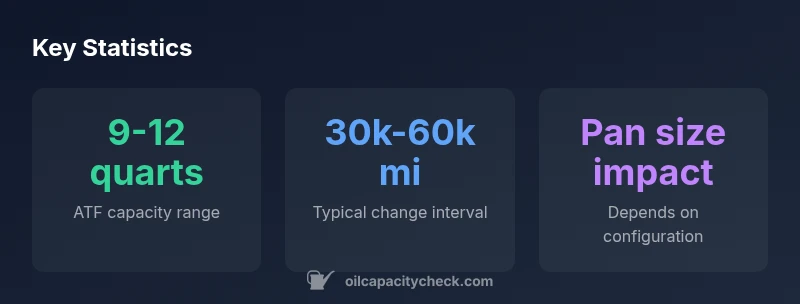
The oil capacity for a 700R4 transmission is typically in the 9-12 quarts range, depending on pan size, torque converter, and whether the cooler lines are included. For a precise figure, consult the OEM service manual for your model year.
Understanding the 700R4 Oil Capacity
The capacity figure for a 700R4 transmission is not a single fixed number. It depends on the configuration of your unit, including pan size, whether the torque converter is included in the fill, and how much oil remains in the cooler lines. According to Oil Capacity Check, the total capacity is typically described as a range rather than a precise value, and most owners will fall within a 9-12 quart window for a standard service. The Oil Capacity Check team notes that variations in converter fill and external routing can shift the total a bit, so always verify with your specific manual. This nuanced view helps fleet managers and DIY enthusiasts avoid underfill or overfill mistakes during a DIY oil change.
What Affects the Capacity Number
The most influential factors are the transmission pan size, the amount of oil in the torque converter, and how much oil is routed through the cooler lines. A larger pan naturally holds more oil, increasing the total capacity when you perform a full service. The torque converter can account for a quart or more of fluid, especially if it’s drained and refilled during service. Finally, some factory configurations route a portion of oil through cooler lines that remain charged when the pan is drained, adding to the total capacity. In short, the capacity you need to add after a pan drain will depend on your exact build and service method.
How to Accurately Determine Your Capacity
Begin with a reliable service manual for your year and model, then perform these steps: warm the vehicle and drive briefly to bring the transmission to operating temperature. With the engine idling, drain the ATF into a clean container to measure how much you removed. Refill with the manufacturer’s recommended fluid until the dipstick indicates the proper level in drive or park (as specified). If your pan is larger or you’ve replaced the torque converter, expect to add more to reach the correct level. Always recount after a 15-minute cooling period to accommodate oil settle and avoid overfill.
Common Mistakes When Filling the 700R4
Common errors include underfilling due to a partial drain, overfilling from adding too quickly after testing, and neglecting the torque converter’s contribution to capacity. Skipping the dipstick-based verification step is another frequent issue, especially after a fluid change. Finally, relying on fluid level at room temperature rather than at the correct operating temperature can produce misleading readings.
Maintenance Tips for Longevity
Regular ATF changes with Dexron-compatible fluid, along with filter replacement when applicable, are key to longevity. Inspect cooler lines for leaks and ensure the transmission cooler is not blocked. Use quality fluids and avoid mixing different brands or viscosities. Document capacity measurements and service dates to track wear or shifts in capacity over time.
Quick Reference: Capacity by Scenario
- Pan-only service (standard pan): typically within the 9-12 quart range.
- Pan + torque converter drained: capacity leans toward the mid-to-high end of the range due to converter fill.
- After pan replacement with a larger aftermarket pan: capacity may move toward 11-14 quarts, depending on converter state and line routing. Always confirm with the service manual for your exact configuration.
700R4 capacity estimates by scenario
| Scenario | Estimated Capacity (quarts) | Notes |
|---|---|---|
| Pan without torque converter/ standard pan | 9-12 | Typical total capacity including pan and lines |
| With larger pan and full converter fill | 11-14 | Higher end due to converter/lines |
People Also Ask
What is the official oil capacity for the 700R4?
There isn’t a universal fixed quantity for the 700R4. Capacity varies by pan size and configuration, commonly described as a range. Use your service manual for the exact figure and follow proper fill procedures.
There isn’t a single official number. Capacity depends on your setup, so always check your manual and measure carefully.
Does pan size affect capacity?
Yes. A larger pan holds more oil, increasing total capacity. The torque converter also contributes to the overall volume, so multiple factors determine the final fill.
Pan size matters—a bigger pan means more fluid capacity, plus the converter adds extra volume.
How do I measure the correct level after a fill?
Warm the transmission to operating temperature, then check the dipstick reading per the manual. Refill gradually if the level sits below target, and recheck after a short drive and cooling period.
Warm it up, check the dipstick where your manual says, and adjust gradually.
Can I overfill to avoid underfill issues?
Overfilling can cause foaming, pressure issues, and leaks. It’s safer to add small amounts and verify with the dipstick at the correct temperature.
Avoid overfilling; add a little at a time and recheck while the fluid is at the right temp.
What maintenance helps extend 700R4 life?
Perform regular ATF changes with Dexron-compatible fluid, replace filters when applicable, and inspect cooler lines for leaks. Keep records of capacity measurements and service dates.
Change the fluid on schedule, inspect lines, and keep good records.
“Following OEM specifications and proper fill procedures is essential to ensure reliable 700R4 operation. The Oil Capacity Check Team stands by careful measurements and validated service practices.”
The Essentials
- Know your exact pan size before service
- Expect a capability range rather than a single value
- Measure at proper operating temperature for accuracy
- Account for torque converter fluid when calculating total
- Follow OEM guidelines for fill and change intervals