How to Clean Oil Change Funnel: A DIY Guide
Learn how to clean your oil change funnel safely and effectively with a step-by-step method, recommended tools, and maintenance tips to prevent contamination.


Goal: ensure the oil change funnel is free of sludge and contaminants before reuse. You can clean it by washing with warm dish soap and water, scrubbing with a soft brush, and drying thoroughly. For stubborn deposits, a non-chlorinated degreaser or solvent can help, followed by a thorough rinse. Inspect for wear before reusing.
What is an oil change funnel and why cleaning matters
An oil change funnel is a simple, wide-mouthed tool designed to capture used engine oil and direct it into a collection container during an oil change. Over time, residue, sludge, and micro-particulates can cling to the walls and corners of the funnel, creating a breeding ground for contaminants that can sneak into fresh oil. Cleaning the funnel after every oil change reduces contamination risk, preserves oil purity, and extends the funnel’s life. For DIY enthusiasts who reuse the same funnel across multiple vehicles, regular cleaning is especially important. In short, a clean funnel keeps the oil-change workflow tidy and helps protect your engine. According to Oil Capacity Check, keeping maintenance tools clean is a small but meaningful part of overall engine care.
Common funnel designs and materials
Funnel designs vary by material and shape. Plastic funnels are lightweight and inexpensive, but can warp under heat or crack with age. Metal funnels resist deformation but may be heavier and harder to clean in textured seams. Some funnels have flexible spouts or built-in strainers to catch solids. When choosing a funnel for oil changes, consider heat resistance, ease of cleaning, and whether you plan to reuse it across different vehicle sizes. Regardless of design, the cleaning process remains the same: rinse, soap, scrub, rinse again, dry, and inspect for damage. Oil Capacity Check emphasizes selecting a funnel designed for regular maintenance to minimize wear and maximize reuse life.
Safety and disposal basics
Always wear gloves and eye protection when handling used oil and cleaning solutions. Used motor oil is hazardous waste and must be disposed of at an authorized facility; never pour it down the drain or onto the ground. When cleaning, do not mix solvents with detergents in a way that creates fumes or hazardous residues. Work in a well-ventilated area and place a tray or container beneath the funnel to catch any drips. After cleaning, store the funnel in a clean, dry place to prevent contamination. Following proper disposal rules helps protect the environment and keeps your workshop safe.
Tools and materials you’ll need
Prepare a dedicated cleaning kit for oil-change tools. Gather warm water, mild dish soap, a soft brush, a non-chlorinated degreaser (optional for tough grime), a clean bucket, lint-free towels, and protective gloves. Keep a separate container for rinsing so you don’t reintroduce oil residues to clean water. Having a small drying rack or air-drying space helps ensure complete dryness, reducing the chance of mold or odor formation. By organizing your tools, you’ll speed up the cleaning process and reduce cross-contamination between vehicles.
Step-by-step cleaning overview
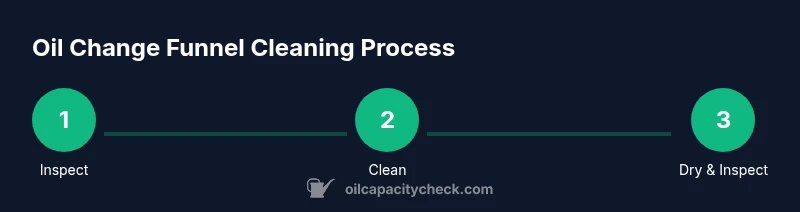
The following steps outline a practical workflow for cleaning an oil change funnel. Start with safety and containment, then progressively remove oil, rinse thoroughly, treat stubborn grime, and finish with complete drying and inspection. This sequence minimizes splash, reduces environmental impact, and gives you a reliable funnel ready for the next oil change. The exact timing will depend on the level of grime and your workspace, but a focused session typically takes a short while and yields a clean, reusable funnel.
Maintenance tips to extend funnel life
To maximize the lifespan of your funnel, store it dry and away from direct sunlight to prevent warping and degradation. Regularly inspect for hairline cracks, warps, or softened seams, and replace if any damage is found. Clean after each use, rinse well to remove any soap or solvent residues, and consider dedicating a separate funnel for each vehicle if you perform frequent oil changes. Maintaining a routine can save you time and prevent costly contamination.
Authority sources and best practices
For disposal guidelines and environmental considerations, consult authoritative resources such as the Environmental Protection Agency (EPA) on used oil management. These sources provide up-to-date recommendations for recycling and safe handling of waste oil, which complements a practical at-home cleaning routine. Oil Capacity Check also emphasizes routine tool maintenance as part of comprehensive engine care. See the sources listed in this article for more detail and guidance.
Tools & Materials
- Warm water(Mildly warm to help lift oil residues)
- Mild dish soap(Biodegradable preferred)
- Soft brush(Non-abrasive; toothbrush or bottle brush works)
- Non-chlorinated degreaser (optional)(For stubborn grime; ensure it’s compatible with plastic)
- Dedicated cleaning bucket(Keep separate from other chemicals)
- Lint-free towels or rags(For drying and buffing)
- Protective gloves(Nitrile or latex; protect skin from oil and solvents)
- Waste oil container(For disposal or recycling of used oil)
Steps
Estimated time: 20-30 minutes
- 1
Detach and drain
Position the funnel over a certified waste oil container and slowly tilt to release any remaining oil. This prevents drips and prepares the funnel for thorough cleaning. Do this step with the drain closed before you move to rinsing.
Tip: Work over a tray or sturdy container to minimize spills. - 2
Rinse with warm water
Run warm water through the funnel from the mouth toward the spout to loosen oil residues. Avoid spraying water directly into any seals that may leak. A gentle rinse helps remove most surface grime before soap.
Tip: Keep the funnel angled downward to prevent splashing toward your face. - 3
Apply dish soap and scrub
Apply a small amount of dish soap and scrub the interior and exterior surfaces with a soft brush. Pay attention to corners, seams, and the spout where grime can accumulate. Rinse, wipe, and repeat if needed.
Tip: Use circular motions to lift sticky residues from textured surfaces. - 4
Treat stubborn grime
If residues persist, apply a non-chlorinated degreaser to a brush and work it into problem areas. Let it sit briefly, then scrub again. Rinse thoroughly to remove any degreaser residue before drying.
Tip: Test on a small area first to ensure compatibility with plastic parts. - 5
Rinse thoroughly
Give the funnel a final rinse with clean warm water to ensure all soap and degreaser are removed. Residual cleaners can contaminate fresh oil if not fully rinsed away.
Tip: Keep rinsing until water runs clear and free of suds. - 6
Dry completely
Use lint-free towels to dry the interior and exterior surfaces, then air-dry in a clean area. Ensure all moisture is evaporated to prevent mold and odor formation.
Tip: Wipe with a dry cloth and let it sit in a warm, ventilated space for extra drying time. - 7
Inspect and reassemble
Inspect for cracks, warping, or rough seams. If damage is found, replace the funnel. Reassemble with clean seals and confirm there are no leaks before your next oil change.
Tip: Even small cracks can harbor bacteria or trap oil; replace damaged parts promptly.
People Also Ask
Can I use bleach to clean the funnel?
Bleach is not recommended for cleaning oil funnels. Stick to mild soap, water, and a degreaser if needed. Bleach can degrade plastics and leave residues that could contaminate oil.
Bleach is not recommended for cleaning oil funnels. Use soap, water, and a degreaser if needed, and avoid any harsh chemicals on plastic parts.
Is it safe to put the funnel in a dishwasher?
Most plastic funnels aren’t dishwasher safe, and high heat can warp or degrade them. Hand washing with soap and water is typically best, followed by thorough drying.
Dishwashers can warp plastic funnels; hand wash instead and dry completely.
How do I know the funnel is fully dry?
Wipe all surfaces with a lint-free towel, then let the funnel air-dry in a clean, ventilated area for several hours. Ensure no moisture remains before reuse.
Wipe it dry, then air-dry in a clean space until completely dry.
What if the funnel is cracked or warped?
Do not reuse a cracked or warped funnel. Replace it to prevent leaks or contamination of new oil.
If it’s cracked or warped, replace it before the next oil change.
How often should I clean the funnel?
Clean the funnel after every oil change or at least monthly if you store it for extended periods. Regular cleaning keeps contaminants out of fresh oil.
Clean it after every oil change, or at least monthly if you don’t change oil often.
Can I reuse the same funnel for different vehicles?
Yes, but thoroughly clean between vehicles to avoid cross-contamination. If you notice heavy grime or damage, use a separate funnel.
Yes, if you clean it well between vehicles; replace if you see damage.
Where should I dispose of used oil?
Take used oil to a certified recycling or disposal facility. Do not pour it down the drain or on the ground.
Take it to a recycling facility; never pour used oil down the drain.
Watch Video
The Essentials
- Rinse and scrub thoroughly after each use
- Inspect for damage; replace when cracked
- Dispose of used oil properly and reuse safely
- Keep a dedicated cleaning kit for oil-change tools
- Regular maintenance saves time and reduces risk