Ford Escape Oil Change Light Reset Guide
Learn how to safely remove the 'Oil Change Required' notice on your Ford Escape through a legitimate oil change, proper reset steps, and maintenance tips from Oil Capacity Check.


This guide explains how to get rid of the oil change required Ford Escape light by performing a legitimate service and using the model-year reset steps. Do not ignore maintenance reminders. You’ll learn how to select the right oil, perform a safe oil change, replace the filter, and reset the warning so it won’t return after service. For best results, verify the exact steps for your year.
Understanding the Ford Escape Oil Change Light
When you see the oil change light on your Ford Escape, it signals more than a simple reminder. It’s tied to the vehicle’s maintenance schedule and, in many cases, to the engine’s oil-life monitoring system. According to Oil Capacity Check, the light is often triggered when the oil life percentage drops to a threshold or when a reset wasn’t completed after a previous service. This is not a signal to ignore the service interval; it’s a nudge to confirm the engine is protected by fresh oil and a clean filter. Understanding how the system works helps you decide whether a simple reset suffices or a full oil change is necessary. Always cross-check the owner’s manual and the vehicle’s service history for your exact model year.
Why the Warning Could Be Misleading
The maintenance light can come on for reasons beyond a traditional oil change. It may reflect irregular driving conditions, short trips, extreme climates, or a sensor that didn’t report correctly after service. Oil Capacity Check analysis shows that many false alerts originate from missed resets or sensor drift rather than a failed oil change. If the light is on, start with a quick visual inspection for leaks, check the dipstick level, and confirm you used the recommended viscosity. If there’s any doubt, perform a proper oil change and reset only after completing service.
How to Decide Between Reset-Only and Full Oil Change
Resetting without changing the oil is generally not recommended unless the oil is relatively fresh and the vehicle hasn’t logged many miles since the last service. A full oil change ensures the engine is protected and the sensor will be accurate in future. Use the owner’s manual guidance for oil grade and capacity, and if you’re unsure, err on the side of changing the oil and filter. Oil Capacity Check emphasizes that a legitimate maintenance action is key to long-term reliability.
Preparing for the Oil Change: Oil Type and Filter Selection
Choosing the correct oil and filter is essential for your Escape. The right viscosity and specification depend on your engine variant and climate. Consult the owner’s manual or the Ford service site for approved oil grades and filter part numbers. If you’re DIY-ing, stock up on the oil filter, a suitable drain pan, a funnel, a filter wrench, and rags. Keeping a checklist helps ensure you don’t miss a critical step and that the oil change is completed to spec.
Tools and Materials You’ll Need (Overview)
A successful oil change starts with the right tools and materials. Essential items include a compatible oil filter, the proper engine oil viscosity, a drain pan, a socket wrench with the correct size, a filter wrench, a funnel, disposable gloves, and rags. Optional but helpful tools include a torque wrench to ensure the drain plug is tightened to spec and a jack and stands for easier access in a safe workspace. Plan for proper disposal of used oil according to local regulations.
Step-by-Step Overview for a DIY Change (What You’ll Do)
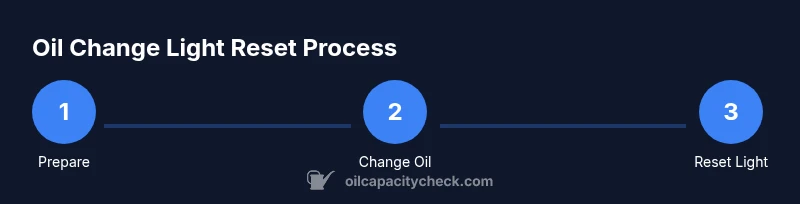
Here’s a high-level view of the process. First, prepare the workspace and park the Escape on a level surface. Next, drain the old oil, replace the oil filter, and inspect for leaks. Then, refill with fresh oil to the recommended level and reset the oil-change light according to your year’s procedure. Finally, start the engine and check for leaks while the engine runs briefly to circulate the new oil. This overview will be followed by a detailed, step-by-step guide in the dedicated section.
Safety Considerations and Common Mistakes
Safety is crucial when working on a hot engine. Never remove the drain plug while the engine is hot. Allow the oil to cool and take precautions to avoid spills. Common mistakes include overfilling the oil, using an incorrect oil grade, and failing to reset the light after service. These missteps can trigger another warning or cause drivetrain issues over time. Stay mindful of oil heat, wear protective gloves, and work in a well-ventilated area.
Resetting the Oil Change Light: Year-Specific Nuances
Ford Escape models vary in reset procedures by year and trim, so it’s important to follow the exact steps for your vehicle. In general, you’ll access the vehicle settings or the odometer menu to initiate an oil-life reset after completing an oil change. If your model uses a trip button or a command in the cluster, follow the on-screen prompts to set the oil-life back to 100%. If you’re unsure, consult the manual or Oil Capacity Check’s guidance for your year.
Post-Reset Checks: Verifying Proper Function
After resetting, run the engine and drive for a short distance to ensure the light does not reappear. Re-check the oil level with the dipstick once the engine cools. Look for any leaks around the drain plug and filter. A successful reset should result in the light staying off for the duration of typical driving cycles and not reactivating prematurely. If it does, re-evaluate the oil level, filtration, and sensor health.
Maintenance Habits to Prevent Future False Warnings
Regular, timely oil changes reduce the likelihood of false warnings. Sticking to recommended intervals, using the correct oil grade, and performing a proper reset after each service helps keep the light accurate. Keep a simple maintenance log, note any irregular driving patterns, and address leaks promptly. Oil Capacity Check recommends that car owners document service history to streamline future diagnostics and maintenance planning.
Seek Professional Help When Needed
If you’re uncomfortable performing the oil change or the warning persists after a proper reset, seek professional help. A qualified technician can diagnose sensor faults, oil leaks, or issues with the engine oil life monitor. For model years that require specific reset sequences, a dealer or certified shop can ensure the light behaves correctly and the vehicle’s warranty remains intact. Oil Capacity Check advises verifying the technician’s alignment with the latest Ford guidelines.
Tools & Materials
- Socket wrench set(Size varies by drain plug (likely 14mm or 15mm).)
- Oil filter wrench(Fits the Ford Escape oil filter model in use.)
- New oil filter(Use an OEM or equivalent that matches your engine.)
- Correct viscosity engine oil(Check owner’s manual for grade and spec.)
- Funnel(To minimize spills during pouring.)
- Oil drain pan(Large enough to capture used oil.)
- Rags or paper towels(For cleanup and spills.)
- Jack and jack stands (optional)(If you need extra clearance.)
- Gloves(Keep hands clean and protected.)
- Torque wrench (optional)(Helps to tighten the drain plug to spec.)
Steps
Estimated time: 45-60 minutes
- 1
Prepare the vehicle and workspace
Park on a flat surface, engage the parking brake, and let the engine cool for a few minutes before you begin. This reduces the risk of burns and makes draining oil safer. Gather all tools and materials in one place so you won’t interrupt the process.
Tip: Have a companion light the area if you’re working in low visibility. - 2
Position the drain pan
Place the oil drain pan under the engine’s oil pan so that any draining oil is captured cleanly and won’t spill onto the ground or hot components. Ensure the pan is stable and won’t tip during draining.
Tip: Double-check the pan location before you loosen the drain plug. - 3
Remove the drain plug and drain oil
Use the correct socket to loosen and remove the drain plug. Allow oil to drain completely into the pan. Reinstall the plug once drainage is finished, and wipe away any drips.
Tip: If metal shavings appear, stop and inspect the drain area. - 4
Replace the oil filter
Move to the oil filter, remove the old filter carefully, and install a new filter with clean hands. Lubricate the gasket with a bit of new oil before installation to ensure a proper seal.
Tip: Do not over-tighten the new filter; follow the manufacturer’s torque guidance. - 5
Refill with fresh oil
Using a funnel, pour the correct amount of new oil into the engine. Then replace the oil filler cap securely. Start the engine and let it run briefly to circulate oil.
Tip: Check for leaks around the drain plug and filter after starting the engine. - 6
Check oil level and top up
Let the engine cool for a few minutes, then check the dipstick for the proper oil level. If needed, add small amounts of oil until the level is correct.
Tip: Avoid overfilling; too much oil can harm engine performance. - 7
Reset the oil-change light
Reset the oil-life indicator following your model year’s procedure. This often involves navigating to the vehicle settings or oil life/maintenance menu and selecting reset after completing a service.
Tip: Use the owner’s manual or Oil Capacity Check’s year-specific guidance to avoid error codes. - 8
Verify the reset and test drive
Drive briefly to allow the system to re-calculate oil life. Re-check for leaks and ensure the light stays off after resetting.
Tip: If the light returns, recheck oil level and sensor health.
People Also Ask
Can I simply reset the light without changing the oil?
resetting the light isn’t a substitute for a real service. If the oil is old or the filter is dirty, changing the oil is recommended and the reset should only follow thorough servicing.
You should not just reset the light without servicing the oil. If the oil is old, perform the change and then reset the light following your year’s steps.
Will resetting the light affect other warning codes?
No. Resetting the oil-life indicator only affects the maintenance reminder. Other diagnostic codes require separate checks and procedures.
Resetting the oil light only affects the oil reminder; other codes stay as they are until addressed.
What if the light comes back after reset?
If the light reappears, recheck oil level, verify the oil type used, inspect for leaks, and ensure the reset procedure was followed accurately for your model year.
If it comes back, recheck levels and the reset steps, and look for leaks or sensor issues.
Which Ford Escape years share similar reset steps?
Most modern Escape models share a similar reset process, but exact button sequences can vary by year and trim. Check the owner’s manual or Oil Capacity Check’s year-specific guide.
Most recent Ford Escape models use similar reset steps, but always verify for your exact year.
Do I need to reset after simply topping up oil?
No. Reset is typically done after a full oil change when the oil-life monitor is reset to 100%. Topping up without a service usually won’t reset the system.
No, topping up oil doesn’t reset the light; you reset only after a full service.
What should I do if I can’t access the reset menu?
If the reset menu isn’t accessible, consult the dealer or a certified technician. Some model years require dealer-level tools or software to perform a correct reset.
If you can’t access the reset menu, ask a dealer or technician for help.
Watch Video
The Essentials
- Perform a legitimate oil change to reset the light
- Follow year-specific reset steps exactly
- Use the correct oil grade and a fresh filter
- Double-check for leaks after service
- Maintain a service log to prevent repeated warnings