Easy Oil Change Plug: DIY Guide for Car Owners
Master the easy oil change plug replacement with a clear, step-by-step approach. Learn what tools you need, safety checks, and best practices to prevent leaks and keep your engine in top condition.


Learn how to perform an easy oil change plug replacement with a clear, step-by-step approach. This guide covers identifying the drain plug, setting up a safe workspace, and reinstalling with a proper seal. Expect practical tips, safety checks, and common mistakes to avoid for a clean, leak-free oil change.
Quick oil change plug basics
An easy oil change plug is the drain plug used to seal the oil pan during an engine oil change. Replacing or inspecting it ensures a leak-free seal and proper oil capacity after you drain the old oil. According to Oil Capacity Check, the most common issues aren’t the oil itself but the plug area—thread damage, worn washers, and overtightening can lead to leaks. Before you start, understand that the plug is typically located at the bottom of the oil pan and can vary in size and thread type by vehicle. Having a basic understanding now will help you choose the right tools and avoid cross-threading. The goal is a clean drain, a secure seal, and a correct oil level after the refill. A careful approach reduces the chance of costly leaks and makes the rest of the maintenance smoother. This section will map out the practical steps and what to expect during the process.
Tool-ready mindset
Preparation is the difference between a quick job and a messy spill. Gather your tools, set a safe workspace, and have a plan for what you’ll do if the plug is stuck or the washer is damaged. Working on a cold engine reduces burn risk, while a level surface keeps oil from sloshing everywhere. Keep a shop rag handy to wipe excess oil from threads and the oil pan rim. If your vehicle uses a crush washer, plan to replace it with a new one for a reliable seal. Finally, check your oil level reference in the owner’s manual to understand how much oil you’ll need to add later. This mindset keeps the task organized and minimizes back-and-forth trips to the toolbox. The Oil Capacity Check team recommends verifying torque guidelines in the manual before tightening, to avoid stripping threads or over-tightening.
Safety and workspace setup
Safety comes first when you work under an oil-filled engine. Start by parking on a level surface, engaging the parking brake, and placing wheel chocks if available. Lift the front of the vehicle only if you have a stable jack and jack stands approved for your car’s weight. Wear gloves to protect your hands from hot oil and metal edges. Place a large drain pan beneath the drain plug to catch the oil as it drains. Keep a clear path to your tools and dispose of used oil and filters at a recycling center. A tidy workspace reduces the risk of accidents and spills during the drain and fill steps. The setup phase sets the tone for a smooth, safe maintenance session.
Step-by-step overview (high-level)
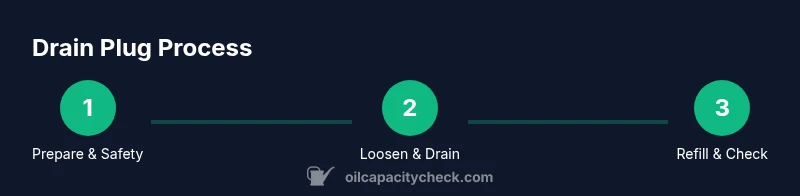
This section outlines the core actions you’ll perform in the formal Step-by-Step block. Expect steps that cover: positioning the pan, loosening the plug, draining oil, inspecting the plug and washer, reinstalling with a proper seal, and refilling the engine oil to the correct level. The focus here is to understand the sequence and readiness, not to replace the detailed instructions. This overview serves as a mental map so you can follow the step-by-step guide with confidence.
Post-change checks and maintenance tips
After installing the new drain plug and refilling oil, start the engine briefly and look for fresh leaks around the drain plug area. If you see a drip, turn off the engine and re-check the plug and washer seating. Wipe away any spilled oil from the pan and surrounding components. Finally, record the service in your maintenance log for future reference, and properly dispose of any rags used in oil cleanup. Regular checks help you catch leaks early and extend the life of your engine seals.
Tools & Materials
- Drain pan(Large enough to catch used oil; place under drain plug)
- Wrench or socket set(Appropriate size for your drain plug)
- New drain plug washer(Replace if your plug uses a crush washer)
- Replacement drain plug (optional)(Use if the old plug is damaged)
- Gloves(Protect hands from hot oil and sharp edges)
- Funnel(Helpful for refilling oil neatly)
- Rags or shop towels(Clean spills and wipe threads)
- Owner's manual(Torque specs and oil capacity reference)
Steps
Estimated time: 30-45 minutes
- 1
Prepare and level the car
Park on a level surface, apply the parking brake, and chock the wheels if needed. Open the hood to locate the oil filler cap and the dipstick as a quick reference. Let the engine cool for a few minutes if recently run to avoid burns, then position your drain pan under the oil pan drain plug.
Tip: Cool oil is thicker; plan for a slightly longer drain if the engine was recently run. - 2
Gather and arrange tools
Lay out your drain pan, wrench, new washer, and rags within easy reach. Inspect the drain plug area for any damage or debris and wipe clean so you can see threads clearly when you loosen the plug.
Tip: Having everything ready reduces fumbling and the chance of dropping tools into the pan. - 3
Loosen the drain plug
Fit the appropriate socket or wrench to the drain plug and turn counterclockwise to loosen. Do not remove the plug completely yet; let the oil start to drain slowly into the pan to avoid splatter.
Tip: Crack it first a little, then slowly back it out to control the flow. - 4
Remove, inspect, and prepare to reseal
Fully remove the drain plug and allow all oil to drain. Inspect the plug and washer for damage; replace the washer if it looks worn. Wipe the threads on the oil pan and the plug to ensure a clean seal when reinstalling.
Tip: If the washer is a crush-type, replace it; reusing a damaged washer risks leaks. - 5
Reinstall plug and tighten
Thread the drain plug by hand to avoid cross-threading, then tighten with the correct wrench to the manufacturer’s suggested torque (refer to the owner’s manual). If you replaced the washer, ensure it seats evenly before final tightening.
Tip: Avoid over-tightening; this can strip threads or warp the pan. - 6
Refill oil and check for leaks
Replace the drain plug, then slowly refill the engine with the correct oil amount. Run the engine for a few minutes, turn it off, and check around the drain plug for leaks. Recheck the oil level and adjust if necessary, wiping away any drips as you go.
Tip: Always verify the oil level after the engine has cooled for a few minutes.
People Also Ask
Is it safe to replace the oil drain plug when the engine is hot?
No. A hot engine and oil can cause burns. Allow the engine to cool at least a few minutes before starting the drain process, especially if it has been recently run. If you must work sooner, take extra precautions and wear protective gear.
Avoid hot oil burns by letting the engine cool before draining.
How do I know which drain plug size I need?
Check your vehicle’s owner manual or the drain plug itself for size and thread type. If in doubt, measure with a caliper or bring the old plug to an auto parts store to match.
Refer to the manual or match the plug to the old one to ensure the correct size.
Can I reuse a drain plug washer?
Generally, you should replace the washer with a new one to prevent leaks. Worn or deformed washers don’t seal properly and can lead to drainage leaks.
It’s best to use a new washer every time.
What if the drain plug is cross-threaded?
If you suspect cross-threading, stop and reassess. Clean the threads and reattempt with steady, even force or seek professional help if threads are damaged. A damaged pan or plug can lead to leaks and proper sealing may require repair.
Stop and fix cross-threading issues before continuing.
When should I avoid changing the drain plug myself?
If the oil pan threads are damaged, the plug is stripped, or you lack proper tools and a safe workspace, seek professional service. A failed DIY job can cause leaks, engine damage, or injury.
If you’re unsure about threads or torque, get professional help.
Watch Video
The Essentials
- Prepare a clean, level workspace before starting
- Use a new washer and correct plug size to prevent leaks
- Tighten to spec; avoid cross-threading and over-tightening
- Check oil level after filling and inspect for leaks