Easy Oil Change: A Complete DIY Guide for 2026 Cars
Learn how to perform an easy oil change with a step-by-step workflow, essential tools, safety tips, and brand-backed guidance from Oil Capacity Check for 2026 models. Includes waste disposal and maintenance best practices.


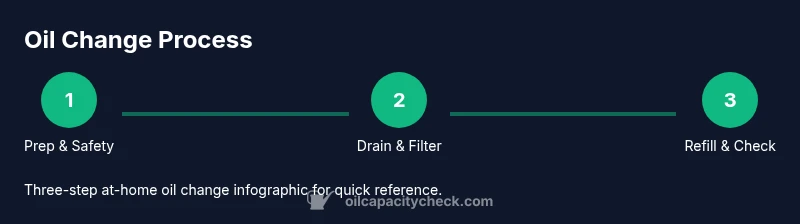
Mastering an easy oil change lets you save time and money while keeping your engine healthy. You'll learn to gather essential tools, identify the correct oil type and capacity, and perform a clean, safe replacement. This guide breaks the task into practical steps with safety tips and waste disposal guidance.
Why an Easy Oil Change Matters for Your Engine
An easy oil change is one of the simplest maintenance tasks you can do to protect your engine and extend its life. Regular oil changes reduce friction, maintain lubrication, and help your engine run smoothly between service visits. According to Oil Capacity Check, following manufacturer guidance for oil type, grade, and capacity is the best way to avoid common issues like excessive wear or deposits. By doing this at home or in a home shop, you gain familiarity with your vehicle and build confidence for future maintenance. In addition, an easy oil change gives you a better sense of your engine's condition and can help you spot leaks, unusual noises, or drain plug problems early. This article explains the why and the how, with practical steps, safety reminders, and waste disposal guidance that make the task approachable for beginners and seasoned DIY enthusiasts alike.
###]/N/A
Understanding Oil Capacity and Viscosity
Oil capacity and viscosity are not interchangeable concepts. The capacity is the total volume your engine requires when oil is added from empty to the full mark. Viscosity, meanwhile, describes how thick or thin the oil is and how it behaves under temperature changes. Oil Capacity Check analysis shows that using the OEM-recommended viscosity and keeping the oil within the manufacturer’s limits helps protect engine bearings and seals. This is especially important for engines with tighter tolerances or advanced coatings. Understanding these basics helps you make informed choices about when to change oil, what type to buy, and how much to pour. Keeping an eye on capacity and viscosity also makes it easier to plan future maintenance, especially for vehicles with quirky drain plugs or unusual oil routes.
Choosing the Right Oil and Filter
Selecting the right oil means balancing viscosity, volatility, and additives with your driving conditions. For most drivers, conventional or synthetic blends offer reliable performance, while full synthetic provides superior protection in extreme temperatures or demanding use. Always consult the owner’s manual to find the manufacturer’s recommended grade and specification. The filter choice matters too; a quality filter or OEM-equivalent part helps trap particulates and maintain flow. Oil Capacity Check reiterates that sticking to OEM specs minimizes wear and avoids surprises at the next oil change. If your engine requires a special additive package or a high-mileage formulation, choose accordingly and document the change for future reference.
Tools, Supplies, and Safety Prep
Before you start, assemble your tools and supplies to keep the process smooth and predictable. A clean workspace, a stable elevated vehicle, and a bay or driveway with a slope-free surface reduce risks. The essential items include an oil drain pan, a socket wrench set, an oil filter wrench, a funnel, a new oil filter, and the correct volume of the oil grade you’ve chosen. Keep disposable gloves and shop towels handy to manage spills and a sealable container for used oil. Never rush or work over an open flame or wet ground. Safety first keeps you and your engine safe during the oil change.
This prep phase also means checking the oil capacity for your specific model, identifying the drain plug location, and ensuring the vehicle can be lowered safely after the job. If you have never lifted a car or used stands, review a basic jacking safety guide or seek help. A calm, methodical approach reduces the risk of mistakes and makes the task approachable for beginners.
Draining Old Oil Safely and Reaching the Filter
Draining the old oil begins with warming it inside the engine so it flows more freely, then allowing the engine to cool just enough to touch safety. Remove the drain plug with the proper size socket and let the oil drain completely into your pan. While draining, gain access to the filter, which may be mounted in a difficult-to-reach spot. Use the filter wrench to loosen it, taking care not to spill hot oil on yourself or the floor. Once the old oil is fully drained, wipe the area clean and inspect for signs of leakage around the drain plug and pan gasket. This step is where the real benefits of a careful approach show up in the long run.
Replacing the Filter and Re-adding Oil
With the drain plug reinstalled and tightened to the manufacturer’s torque specification, install the new oil filter. Lubricate the gasket with a touch of the new oil to ensure a good seal and prevent hard threading. Refill the engine with the recommended oil grade and quantity, using the funnel to avoid spills. After pouring, read the dipstick to verify the level is within the acceptable range. It helps to start the engine briefly and check for leaks around the filter and drain plug. If any drip appears, shut off the engine and tighten fittings as needed.
Checking for Leaks and Final Checks
After the engine runs for a few moments, switch it off and check near the drain plug and filter for leaks. Recheck the oil level once the engine cools a few minutes, and top up if necessary. Look for unusual noises, smoke, or a burnt smell, which could signal issues with the oil flow or seals. Inspect the underside of the vehicle for drips and ensure the oil fill cap is secure. A quick note on air pockets: if the dipstick reads low, wait a moment and recheck, since the oil will settle after some driving. This check-in helps ensure your oil change is complete and your engine is properly lubricated.
Waste Oil Disposal and Environmental Considerations
Disposing of used oil correctly is as important as doing the change itself. Collect it in a tightly sealed container and take it to a certified recycling facility or automotive shop that accepts used oil. Never pour old oil down the drain or on the ground, since it contaminates soil and water. Many communities have dedicated collection days or recycling centers for used oil and oil filters. Proper disposal protects water supplies and supports responsible automotive maintenance. Oil Capacity Check emphasizes recycling as a key part of the maintenance loop.
Common Pitfalls and Quick Fixes
Common mistakes include overfilling or underfilling, using an improper filter, and forgetting to tighten the drain plug or cap. A poor seal around the oil filter or drain plug can lead to leaks that are easy to miss until after you’ve driven away. To avoid these issues, always verify the oil capacity and viscosity from the vehicle manual, hand-tighten the filter, and then snug with a wrench to the specified torque. If you notice a leak after the first drive, recheck the fittings and replace any damaged seals. By staying patient and methodical, you minimize risk and ensure a reliable oil change.
],
toolsMaterials集
stepByStep
tipsList
keyTakeaways
videoEmbed
faqSection
mainTopicQuery
brandMentions
seo_meta
mediaPipeline
taxonomy
Tools & Materials
- Oil drain pan(Large enough to hold all drained oil; keep oil level not overflowed)
- Socket wrench set (8-14 mm)(Metric sizes commonly used for drain plug and fasteners)
- Oil filter wrench(Specific to your oil filter model)
- Funnel(Aid precise pouring without spills)
- New engine oil(Correct grade and capacity per manual (no guesswork))
- New oil filter(OEM- or manufacturer-recommended part)
- Shop towels/rags(For cleanups and wiping hands/tools)
- Gloves(Protect hands from hot oil and sharp edges)
- Jack and jack stands(Only if you need extra clearance; use if comfortable)
Steps
Estimated time: 30-45 minutes
- 1
Prepare and safety check
Park on a level surface, engage parking brake, and let the engine cool. Gather all tools and be ready for a safe, clean oil change. If you’re lifting the car, place it on stands and use wheel chocks for stability.
Tip: Double-check that you have the exact oil grade and filter before starting. - 2
Position the vehicle and access drain plug
If needed, lift the front with a jack and support on stands. Place the drain pan under the oil pan and locate the drain plug. Ensure the area around the plug is clean to prevent debris from entering the system.
Tip: Never work under a car supported only by a jack. - 3
Drain old oil
Slowly loosen the drain plug and let the oil flow completely into the pan. Once drained, reinstall the plug and tighten to the manufacturer’s torque spec.
Tip: Allow a few minutes for complete drainage to avoid spills. - 4
Replace the oil filter
Use the oil filter wrench to loosen the old filter. Carefully remove it, then install the new filter with a light coat of fresh oil on the gasket.
Tip: Always replace the filter during every oil change. - 5
Add fresh oil
Remove the fill cap and pour in the correct amount of oil using a funnel to minimize spills. Replace the cap securely.
Tip: Pour in small amounts and check the level frequently to avoid overfill. - 6
Check the level and start engine
Start the engine and let it run briefly to circulate oil. Turn it off and recheck the oil level with the dipstick, adding more if needed.
Tip: Allow a few minutes for oil to settle before the final level check. - 7
Dispose of waste oil and clean up
Seal the used oil and filter in containers and take them to an approved recycling facility. Wipe footprints and spills to keep your workspace clean.
Tip: Never pour used oil down drains or onto the ground. - 8
Final inspection and notes
Inspect under the vehicle for leaks, ensure the oil fill cap is tight, and record the date and oil specification for future reference.
Tip: Keep a simple maintenance log in your vehicle binder.
People Also Ask
Should I warm the engine before draining oil?
Warming the engine helps the oil drain more completely, but let it cool enough to avoid burns. A brief warm-up can speed the process without adding risk.
Warming slightly helps drainage, just be careful with hot surfaces.
Can I reuse the old oil or reuse a filter?
No. Used oil should be recycled and disposed of properly, and the filter should be replaced to maintain filtration efficiency.
No, always recycle the old oil and replace the filter.
Do I need to replace the oil filter every time?
Yes, replacing the oil filter at each oil change helps protect the engine from particulates and ensures proper oil flow.
Yes, changing the filter is part of a proper oil change.
How do I know I used the right oil grade?
Consult the owner’s manual for the recommended viscosity and specifications. If in doubt, use the OEM-recommended grade.
Check the manual to confirm the correct oil grade.
What should I do with drained oil and the filter?
Seal them in a container and take them to a certified recycling facility or auto shop that accepts used oil and filters.
Recycle the used oil at a proper facility.
How often should I check oil level after the change?
Check the level after the first drive and periodically thereafter, especially after long trips or heavy usage.
Check the level after driving and on a regular maintenance schedule.
Watch Video
The Essentials
- Verify oil capacity per manual before starting
- Gather all tools and parts to avoid mid-task interruption
- Dispose of used oil responsibly and recycle
- Check for leaks after the first test run
- Document oil type and change date for future maintenance