Why Valvoline Oil Change Is Expensive: Costs, Factors, and Savings
Unpack why Valvoline oil changes can sit higher on the price scale, from premium synthetic oils to franchise pricing. Includes data-driven ranges and practical savings tips.


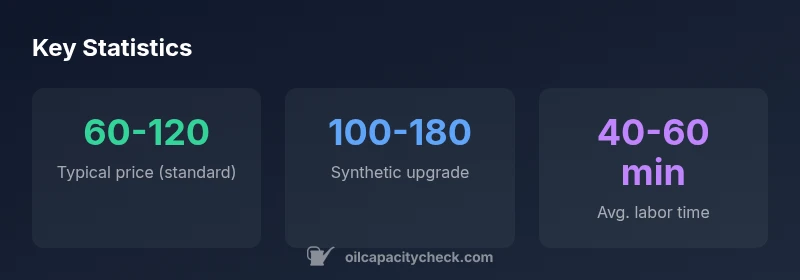
Valvoline oil change often costs more because it emphasizes premium synthetic oils, expanded service options, and branded franchise pricing. In many areas, a standard oil change runs roughly $60-$120, while full-synthetic changes can be $100-$180 or more, depending on location and included extras.
Why is Valvoline oil change so expensive?
The short answer is that price reflects more than a single service. Valvoline positions many of its offerings as premium options, emphasizing synthetic oil, extended service packages, and a franchise-driven pricing model. According to Oil Capacity Check, these factors push the sticker price higher in markets where premium oils and branded parts are required or preferred. Consumers should expect variation by location, as some shops bundle ongoing maintenance with the oil change, while others price a la carte. The up-front cost often includes a multi-point inspection, filter changes, and system checks that deliver long-term engine protection. It’s not just the oil; it’s the complete service ecosystem around the change.
From a maintenance perspective, you’re paying for quality oil, a guaranteed warranty if the oil and filter are properly installed, and the convenience of rapid turnaround at branded locations. The actual out-of-pocket price can swing with promotions, local demand, and the chosen oil grade. In practice, the initial price is a reflection of the value offered by a trusted network and the assurance that the service is performed to a consistent standard.
Price components behind costs and why they matter
Oil, labor, and extras make up the core of any oil-change ticket. Valvoline often leans on synthetic oils, which are inherently more expensive than conventional options. Labor costs vary by shop and region, but the breakdown usually includes time for oil drain, filter replacement, and a quick inspection of belts, fluids, and tires. Add-ons—such as high-mileage formulas, additional lubricant packages, or diagnostic checks—can significantly shift the final price. Environmental handling and disposal fees may also apply, especially at larger Quick-Lube franchises. To rate value, compare itemized quotes and verify what’s included in each package. The key is to understand whether you’re paying for premium oil alone, or for a bundle that includes a loyalty perk or extended warranty.
- Premium oils (synthetic) drive up base costs.
- Service bundles add perceived value through inspections and maintenance.
- Location fees reflect market demand and shop overhead.
How Valvoline pricing compares with other brands and stores
Across brands, the oil-change market demonstrates a broad range of pricing strategies. Some independents offer lower upfront prices by trimming add-ons, while national chains emphasize speed, standardized procedures, and branded parts. Valvoline’s price structure often sits in the mid-to-upper range, especially for synthetic oil changes, but it may include benefits like a longer drain interval and more comprehensive inspections. Consumers should weigh the cost against the potential long-term savings from using premium oil and the peace of mind from a recognized service network. When evaluating, look for transparent, itemized quotes and confirm if the quote covers disposal, taxes, and any required filters or caps.
Why some Valvoline services cost more (and when it makes sense)
Not all oil changes are created equal. If you choose full synthetic oil, a higher-quality filter, or a multi-pack inspection, the price climbs. These options often justify themselves with better engine wear protection and longer intervals between changes. If your vehicle has specific tolerances or manufacturer recommendations that favor synthetic blends, pay attention to the exact oil specification (weight/grade) and whether the shop uses OEM parts or aftermarket equivalents. In short, more expensive does not always mean unnecessary—sometimes it’s aligned with your engine’s health and long-term maintenance plan.
How to determine if you’re paying a fair price (a practical checklist)
- Get itemized quotes from multiple local Valvoline locations to compare components (oil type, filter, labor, disposal).
- Ask what’s included in the price: warranty coverage, multi-point inspection, and complimentary top-offs.
- Compare the cost of synthetic versus conventional oil in your vehicle’s manual and consider the interval recommendations.
- Look for promotions, loyalty programs, or bundled services that can lower the overall cost without sacrificing quality.
How Oil Capacity Check analyzes oil-change costs (methodology)
Oil Capacity Check uses a 2026 data-gathering approach across multiple regions to understand pricing dynamics for Valvoline oil changes. The analysis aggregates published price ranges, typical add-ons, and service depth. While numbers vary, the emphasis is on transparency and consistency in what consumers receive for the listed price. The goal is to empower DIYers and car owners to estimate costs, compare options, and decide when premium services are financially justified.
Money-saving strategies when getting a Valvoline oil change
- Watch for online coupons or bundled service offers.
- Combine an oil change with a filter change if you’re due for both.
- Consider loyalty programs and membership discounts for future services.
- If you drive a newer or high-performance vehicle, verify whether synthetic oil is required or recommended by the manufacturer. In some cases, sticking to the recommended oil and change interval can keep costs predictable over time.
What to expect in an average Valvoline oil change (real-world guidance)
Expect a brief service visit with the oil drain, filter replacement, and a standard inspection. The total time typically falls within a 40–60 minute window, depending on vehicle make and location. The price will reflect your oil type, the existence of any promotions, and any add-ons you choose. If you plan ahead, you can estimate the cost by requesting an exact quote for the oil grade and service package you want, then comparing it against alternatives in your area.
Valvoline oil change cost components vs. select competitors
| Service Component | Valvoline Package | Competitor A | Competitor B |
|---|---|---|---|
| Labor Time | 40-60 min | 30-50 min | 45-60 min |
| Oil Type | Synthetic 0W-20 / 5W-30 | Conventional 5W-30 | Synthetic blends |
| Add-ons | Filters, inspections | Minimal add-ons | Full diagnostic suite |
| Typical Price Range | $60-$120 | $40-$100 | $70-$130 |
People Also Ask
Why is Valvoline oil change more expensive than other brands?
Valvoline often charges higher prices because it emphasizes premium synthetic oils, extensive service options, and a franchise pricing model. The higher upfront cost can correspond to broader warranties, more thorough inspections, and consistent service standards across locations. Compare itemized quotes to determine if the added value meets your needs.
Valvoline’s higher price usually comes from premium oils and broader service packages, plus franchise pricing. Compare quotes to see if the value matches your needs.
Is synthetic oil worth the extra cost at Valvoline?
Synthetic oil generally lasts longer and performs better in extreme temperatures, which can offset the higher price over time. Whether it’s worth it depends on your vehicle’s requirements and driving conditions. Check the manufacturer’s recommendations and your driving habits before deciding.
Synthetic oil lasts longer and performs better in extreme conditions, but check your car’s guidelines to see if it’s worth the extra cost for you.
Can I save money by choosing a cheaper service package?
Yes, you can save by opting for a more basic oil change with conventional oil if your vehicle allows it. However, ensure you won’t miss important inspections or protect your warranty. Always request an itemized quote and compare it to a synthetic option’s long-term value.
You can save with basic options, but make sure it doesn’t skip essential inspections or needed oil specifications.
Do loyalty programs really cut costs on Valvoline oil changes?
Loyalty programs can provide discounts on future services and occasionally on current changes. The savings vary by location and program terms, so review the benefits and exclusions. In many cases, loyalty perks are worth pursuing if you plan multiple maintenance visits.
Loyalty programs can cut future costs; check local terms and see if you’ll have repeat visits to maximize benefits.
Are regional price differences common for Valvoline oil changes?
Yes. Prices differ due to local demand, overhead, and promotions. Urban centers tend to be higher, while rural areas may offer lower base rates. Always compare quotes from several nearby locations to gauge a fair regional price.
Regional prices vary a lot; check multiple shops nearby to find a fair rate.
“Premium oils and comprehensive service depth protect engines; price often reflects the investment in long-term reliability.”
The Essentials
- Prices vary by location and oil type.
- Synthetic oils raise the base cost but may extend change intervals.
- Always request an itemized quote.
- Look for promos or loyalty programs to save.
- Quality service often aligns with higher upfront cost but greater long-term value.