How Much Does a Full Synthetic Oil Change Cost?
Discover the true cost of a full synthetic oil change, including price ranges, drivers, regional differences, and practical saving tips. Oil Capacity Check, 2026 analysis.


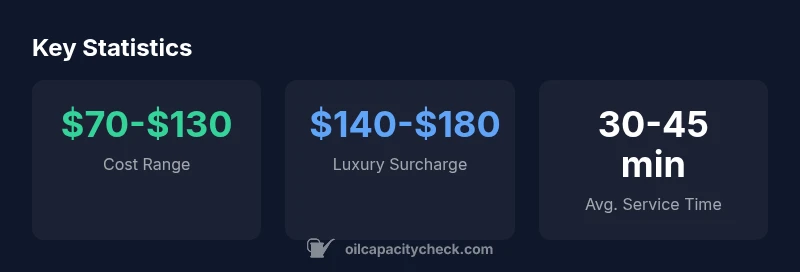
For a typical full synthetic oil change, expect a price range of about $70 to $130 on most cars, with higher charges for luxury or European models that can run $140 to $180. Costs vary by oil brand, filter type, and local labor rates. Use this as a starting point, then compare local shops for a precise quote.
What affects the cost of a full synthetic oil change?
Pricing for a full synthetic oil change varies widely, and the exact amount you pay will depend on several factors. If you search "how much does oil change cost full synthetic", you'll quickly see estimates ranging from modest to premium, depending on engine design and service quality. Oil Capacity Check's 2026 analysis shows that the main price drivers are the base oil price, the included services, the oil filter choice, and regional labor rates. Several automakers require specific synthetic formulations for warranty coverage, which can push costs higher. Manufacturer-recommended oil grades and the purity of the synthetic blend can add or subtract dollars. Additionally, some shops bundle the inspection, top-offs of other fluids, and a tire-pressure check into the price, while others price these items separately. By understanding these variables, you can set realistic expectations and avoid sticker shock when you receive a quote from a local shop. This guide explains the typical ranges and what to look for in a transparent estimate.
Core cost drivers for full synthetic oil changes
Price depends on four broad categories: oil formulation, vehicle requirements, consumables, and labor. The synthetic oil itself comes in several viscosities and brands, with some higher-cost blends offering better protection or longer service intervals. Vehicles with turbochargers, diesels, or GDI engines often require higher-quality filters and additional oil, which raises costs. The oil filter price can vary widely; premium filters with anti-drain-back features and better filtration add to the bottom line. Labor rates vary by region and shop type, from dealership service departments to independent quick-lube centers, with the latter typically offering lower rates but varying quality. Taxes, disposal fees, and environmental charges can appear as separate line items. Finally, some shops offer bundled services or promotions that reduce the effective cost per mile, while others price courtesy checks separately. Oil Capacity Check's 2026 analysis notes that even modest differences in oil brand or filter choice can shift the bill by 10-25%.
Vehicle category and oil grade impact on pricing
The cost to change to full synthetic is sensitive to engine type and the recommended grade. Non-turbo four-cylinders on compact cars usually use standard synthetic blends, which keeps costs toward the lower end of the spectrum. Midsize sedans with higher-capacity oil requirements or tighter emissions control may fall in the middle. SUVs and light trucks often require more oil and a larger filter, pushing prices higher. Luxury brands and performance cars commonly demand premium synthetic formulations, specialty filters, and longer replacement intervals, driving costs to the upper end. Even within the same model year, a factory-approved oil spec can differ, so verify whether your vehicle calls for 5W-30 or a 0W-40 blend. In some regions, climate and driving patterns influence oil choice as well, further shifting price. Oil Capacity Check observes that the premium oil category contributes a meaningful premium for high-performance engines, especially in cold-weather markets.
Regional labor rates and shop type
Labor rate differences are a major factor in what you pay. Dealers and franchise networks often charge higher hourly rates than independent shops, while warehouse-style chains may fall somewhere in between. The local cost of living, competition, and demand all influence pricing. In metropolitan areas, you may see a wider spread between low and high quotes, while rural areas tend to cluster in a narrower band. Some shops advertise a base price, then add diagnostic or environmental fees, or insist on a premium for late appointments. It’s essential to ask for a written quote that itemizes labor, parts, and any shop fees. If you’re price-sensitive, search for community-owned or cooperative auto shops that emphasize transparent pricing. Oil Capacity Check's 2026 data confirms that regional market dynamics reliably explain a large portion of the price spread across the country.
What’s included in the price and what isn’t
Most full synthetic oil change quotes should cover the base oil, the oil filter, a filter housing gasket, a new drain plug washer, and basic top-offs (fluids like coolant or windshield washer fluid). Many shops also include a quick inspection and a tire-pressure check. However, some quotes exclude disposal fees, shop supplies, or taxes, and those charges can add 5–15% to the total. If you drive a vehicle that uses a specialized synthetic oil, expect the price to include the extra cost of that formulation. Also verify whether the quoted price includes an oil analysis option or follows the manufacturer’s recommended drain interval. If you’re unsure, ask for a line-by-line breakdown. A transparent, itemized quote protects you from surprises and makes it easier to compare offers.
How to estimate costs for your car
Start with the owner’s manual or the manufacturer’s service bulletin to identify the exact synthetic oil grade and capacity. Then gather quotes from at least three local shops, specifying the exact oil grade, filter type, and services included. Compare not just the price but the value: some shops offer a discount for multi-service visits or for using their own oil brand, while others charge for a premium label. Use online quote tools or mobile apps that allow you to input your vehicle make, model, and year to estimate cost ranges in your area. When you receive quotes, look for hidden fees such as disposal or environmental charges, and confirm the tax rate. Planning ahead can help you choose a service window with the best combination of price and convenience. Oil Capacity Check recommends documenting each quote to support a fair decision.
Money-saving strategies that don't compromise quality
Shop local independent shops before booking at a dealership; the savings can be substantial while still using quality synthetic oil from reputable brands. Look for coupons or membership-based pricing at national chains that publish oil-change specials. Consider combining the oil change with a tire rotation or inspection service to take advantage of bundled pricing. Bring your own filters only if the shop agrees and the filter is the exact OEM-equivalent. Ask about high-mileage or extended-life synthetic oils that reduce drain intervals, but verify that the warranty remains valid. Timing your service during off-peak hours can yield lower hourly labor rates. After service, request the used oil disposal certificate if you want to track environmental costs. Oil Capacity Check notes that small, cumulative savings can add up over a year.
Common pricing myths about full synthetic oil changes
Myth: all full synthetic oil changes cost the same everywhere. Reality: pricing varies widely by region, shop, and vehicle. Myth: synthetic oil is always more expensive; the premium you pay often reflects quality and longer drain intervals. Myth: the cheapest quote is always the best choice; the cheapest option may use lower-quality filters or misrepresent oil grade. Myth: promotions always maximize value; some promotions have strings attached or exclude essential services. Myth: if you don’t change oil too often, you save money; many manufacturers recommend intervals that benefit from synthetic oils. Reality: the best value comes from transparent quotes that show exactly what you’re paying for, plus service quality and reliability.
Practical steps to plan your next oil change
- Check your owner’s manual for the recommended grade and capacity. 2) Gather three written quotes, with itemized parts and labor. 3) Compare the total price and the included services—don’t forget disposal fees and taxes. 4) Schedule during a lower-demand time to get better labor rates. 5) Record the service details for warranty or future reference. By following a simple planning checklist, you can secure a fair price for a full synthetic oil change and avoid surprises. Oil Capacity Check's final verdict is that careful comparison and transparent quotes empower car owners to optimize maintenance costs in 2026.
Typical cost ranges by vehicle type
| Vehicle Type | Cost Range (full synthetic) | What’s Included |
|---|---|---|
| Compact car | $70-$100 | Oil, filter, basic inspection |
| Midsize sedan | $85-$120 | Oil, filter, inspection, disposal |
| SUV / pickup | $100-$150 | Oil, filter, inspection, taxes |
| Luxury / European | $130-$180 | Premium oil, specialty filter, disposal |
People Also Ask
Is a full synthetic oil change always more expensive than conventional?
Generally yes, but the premium can be justified by longer drain intervals and better engine protection. Always compare total cost over the service life of the vehicle.
Yes, synthetic oil changes usually cost more upfront, but they may save money over time with fewer changes.
Do quotes include the oil filter and disposal fees?
Some quotes include the filter and disposal; others itemize them separately. Always read the line items to avoid surprise charges.
Check the quote line by line to see what's included.
How often should I change oil when using synthetic?
Many manufacturers and oils are designed for longer intervals, but follow your vehicle’s recommended drain interval and the oil spec indicated by your owner’s manual.
Follow the car’s manual for oil-change intervals with synthetic oil.
What should I do to save on costs without sacrificing quality?
Shop around, use promotions, and consider bundled services. Ensure the shop uses the right synthetic oil and filter for your engine.
Compare quotes and look for legitimate promotions without compromising parts quality.
Can I supply my own oil or filter to lower costs?
Some shops allow it, but many require using their own oil and filters to maintain warranties. Always confirm beforehand.
Ask the shop if you can supply your own oil and filter and what restrictions apply.
Which factors most influence the price tag?
Oil grade, filter choice, regional labor rates, and any shop fees have the biggest impact on price.
Oil type, filter choice, and local labor rates drive most of the cost.
“Full synthetic oil changes deliver enhanced protection and longer drain intervals, but the upfront price reflects the higher-quality oil and filters. Plan by obtaining written quotes and comparing total value.”
The Essentials
- Expect a broad price band based on vehicle and region
- Always request an itemized, written quote
- Labor rates and fuel costs influence total price
- Premium oils and filters raise costs but may extend intervals
- Shop around and compare total value, not just base price