When to Change Oil Filter: A DIY Guide for Cars
Learn when to change the oil filter, signs of a failing filter, and how to perform a safe replacement. This Oil Capacity Check guide covers DIY steps, driving conditions, and maintenance strategies to keep your engine clean and healthy.


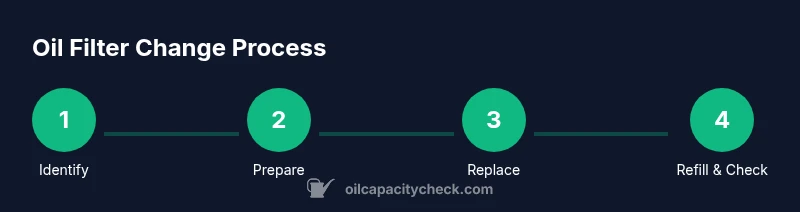
According to Oil Capacity Check, you’ll determine when to change the oil filter by reviewing mileage, driving habits, and oil type. This quick, step-based guide shows how to spot symptoms, confirm compatibility, gather tools, and perform a safe replacement, so engine wear stays minimal. It also explains why regular filter changes matter and how to align filter changes with oil changes for optimal performance.
Why timing matters for oil filter changes
According to Oil Capacity Check, the timing of an oil filter change hinges on engine design, mileage, driving conditions, and oil type. A clogged or worn filter can reduce oil flow, increase engine wear, and raise the risk of sludge buildup. In modern engines, the filter works in tandem with the oil to keep contaminants out; neglecting it can undermine even high-quality oil. This section explains why you shouldn’t ignore filter health and how to think about intervals in practical terms. The filter’s lifespan isn’t fixed; it depends on how hard your engine is working and the quality of the oil you choose. For many drivers, treating the filter as a wear item alongside the oil helps protect overall engine reliability.
Signs that your oil filter needs replacement
A healthy oil filter helps maintain clean lubrication, but several telltale signs point to replacement. Dark, thick, or gritty oil on the dipstick or under the hood can indicate fouling. A drop in oil pressure or a sudden change in engine sound—such as ticking or knocking—may signal restricted flow from a clogged filter. If you notice leaks around the filter housing or see the gasket deforming, it’s time to inspect and likely replace the filter. In dusty or extreme climates, contaminants accumulate faster, accelerating filter wear. Always inspect the filter itself for swelling, damage, or deformations, and ensure the gasket seats properly to avoid leaks.
How the oil filter interacts with engine oil
The oil filter is the engine’s primary defense against microscopic particles. It uses a mesh or pleated media to trap dirt while oil circulates. Most filters contain a bypass valve that opens if the filter becomes clogged, allowing unfiltered oil to circulate briefly to prevent oil starvation, though with reduced filtration. The filter’s micron rating and dirt-holding capacity determine how long it stays effective. A worn or bypassing filter can allow contaminants into the engine, causing accelerated wear. Regular replacement ensures a balanced filtration system and maintains optimal oil cleanliness.
How mileage, driving conditions, and oil type influence intervals
Mileage is a rough proxy for filter life, but driving conditions can dramatically alter wear. Short trips, stop-and-go city driving, heavy traffic, dusty roads, and extreme temperatures accelerate filter fouling. Synthetic oils often last longer than conventional oils, but some engines and filter designs benefit from shorter intervals during severe driving. Always cross-check with the vehicle’s manual and consider your usage pattern when deciding whether to replace the filter during an oil change. In many cases, aligning filter changes with oil changes offers the simplest rule of thumb for consistent maintenance.
Manufacturer schedules vs. real-world practice
Manufacturers provide recommended maintenance intervals in the owner’s manual, but real-world use can vary widely. If you regularly drive in harsh conditions or frequently tow loads, your filter may reach capacity sooner than the stated schedule. Conversely, quiet highway cruising in mild weather may extend filter life. Use the manufacturer’s guidance as a baseline, then adjust based on observed oil quality, engine performance, and service history. Oil Capacity Check’s approach is to encourage drivers to tailor schedules to their specific vehicle and driving habits while staying compliant with warranty requirements.
Common mistakes when assessing or changing an oil filter
Common errors include choosing the wrong filter size or type for your engine, failing to lubricate the new gasket, and over-tightening the filter or drain plug. Many DIYers forget to pre-fill filters when applicable, neglect to clean the mounting surface, or reuse an old gasket leading to leaks. Skipping a proper oil change interval or using low-quality oil can also accelerate filter fouling. Finally, never mix oil types or vintages when topping off after a filter change, as this can reduce filtration efficiency.
How to inspect the filter housing and oil after replacement
After installing a new filter and refilling with oil, inspect the housing for leaks around the gasket and drain plug. Check the lubrication system by starting the engine and listening for unusual noises; watch for oil pressure fluctuations on the gauge if your vehicle has one. Use a clean rag to wipe away any drips and verify that the oil level on the dipstick stabilizes within the recommended range. If you notice persistent leaks or an unusual odor, re-check the filter seating and drain plug torque before driving further.
Tying oil filter changes to oil changes: a practical approach
A practical rule is to replace the filter every time you change the oil, especially for vehicles that see urban driving, heavy loads, or dusty environments. If you extend oil-change intervals, you may consider replacing the filter at the midpoint of the interval or based on observed oil condition. Create a simple maintenance plan: select an oil type and change interval from the manual, then align the filter replacement with that schedule unless symptoms or service reminders indicate otherwise. This strategy helps maintain filtration efficiency without guessing at filter life.
Quick-start checklist for a DIY oil filter replacement
- Park on a level surface, engage parking brake, and allow the engine to cool. - Move a drain pan under the oil pan. - Place rags and a container for used oil within reach. - Gather a new filter, correct oil type, and necessary tools. - Loosen and remove the drain plug, letting oil drain completely. - Remove the old filter and inspect the mounting area. - Lubricate the new filter gasket with a dab of fresh oil. - Install the new filter by hand until snug, then a slight turn per manual. - Reinstall the drain plug and torque to spec. - Refill with the recommended oil quantity and type. - Start the engine, check for leaks, and recheck the oil level after a few minutes of running.
Tools & Materials
- New oil filter(Choose the correct filter for your engine model)
- Engine oil(Grade and quantity per manual (e.g., 5W-30, 5-6 quarts))
- Filter wrench(If needed for your filter size)
- Drain pan(To catch used oil safely)
- Rags/paper towels(Clean spills and wipe surfaces)
- Car jack and stands(If you need to raise the vehicle safely)
- Funnel(Optional, for pouring oil neatly)
- Gloves(Keep hands clean and protected)
- Torque wrench(Use if the drain plug or filter has a torque spec)
- Crush washer(For some drain plugs)
Steps
Estimated time: 45-60 minutes
- 1
Prepare your workspace
Park on level ground, engage the parking brake, and allow the engine to cool. Gather all tools and a clean area to work. This step reduces slips, spills, and surprises when you start the job.
Tip: Keep a flashlight handy to see the drain plug clearly. - 2
Position drain pan and locate drain plug
Slide the drain pan under the oil pan and locate the drain plug. Ensure it’s centered to catch all draining oil and prevent splashes on your engine bay.
Tip: Use a magnet on the drain plug to catch metal shavings if present. - 3
Remove drain plug and drain oil
Carefully loosen and remove the drain plug, allowing old oil to drain completely into the pan. This can take several minutes depending on temperature.
Tip: Support the plug with a rag to prevent oil splatter. - 4
Remove old oil filter
Place the filter wrench on the old filter if needed and turn counterclockwise to remove. Expect some residual oil to spill, so keep the area clean.
Tip: Note the filter orientation so you install the new one correctly. - 5
Prepare the new filter
Lightly oil the gasket on the new filter with some fresh engine oil. This helps seal and prevents hard mounting when you install it.
Tip: A lightly oiled gasket reduces the chance of leaks at startup. - 6
Install the new oil filter
Hand-tighten the new filter until snug, then follow your manual for the final tightening. Avoid over-tightening to prevent gasket damage.
Tip: If your filter has a specified torque, use a torque wrench to reach it. - 7
Reinstall drain plug and check torque
Reinstall the drain plug and tighten to the manufacturer’s specification. Wipe away any residue and ensure the drain area is clean before refilling.
Tip: Use a new crush washer if required. - 8
Refill with oil
Pour in the recommended oil quantity and type using a clean funnel. Check the level with the dipstick and adjust as needed.
Tip: Pour slowly to prevent overfilling. - 9
Check for leaks and verify level
Start the engine and let it run briefly while you check for leaks around the filter and drain plug. Recheck the oil level after a minute and top off if necessary.
Tip: Take a short drive and recheck once cooled, then top off again if needed.
People Also Ask
Is it necessary to replace the oil filter during every oil change?
In most cases, yes—replacing the filter with the oil helps maintain filtration efficiency and engine cleanliness. Some high-mileage or severe-driving scenarios may warrant a different plan based on the vehicle manual.
Yes. Replacing the filter with every oil change is the standard best practice for most vehicles.
Can I reuse the old oil filter if there’s no visible damage?
No. Oil filters are designed for single-use; reusing can lead to bypass valve issues or reduced filtration and potential engine wear.
No, filters are single-use and should be replaced during an oil change.
What if I drive in dusty conditions or in stop-and-go traffic?
Dusty or frequent stop-and-go driving accelerates filter fouling. In these conditions, consider more frequent inspections and possibly shorter intervals between changes.
Dusty driving can wear out filters faster, so you may need to replace them more often.
Do manufacturers specify exact filter change intervals?
Most manufacturers give oil-change intervals in the manual, which include filter replacement guidance. Always align with the manual and adjust for your driving conditions.
Check your manual for the filter change guidance and adjust for how you drive.
What signs indicate a failing filter after replacement?
If you notice persistent leaks, oil smells unusual, or the oil pressure light comes on, inspect the filter seating and surrounding gaskets. Rectify immediately if needed.
Leaks or oil pressure warnings after replacement mean you should inspect the installation right away.
Watch Video
The Essentials
- Replace the filter with every oil change when possible
- Inspect for leaks around the housing after replacement
- Use the manual’s oil type and capacity as the baseline
- Avoid over-tightening the drain plug and filter