How to Use Oil Change Ramps: A Safe, Step-by-Step Guide
Learn how to safely use oil change ramps to lift your vehicle for an oil change. This guide covers setup, safety, step-by-step processes, and common mistakes to avoid for a clean, efficient DIY maintenance session.


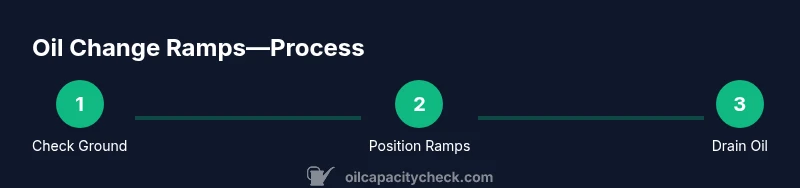
Using oil change ramps lets you elevate the front of your vehicle safely for oil changes. Start on level ground, choose ramps with adequate load rating, and set wheel chocks. Drive slowly onto the ramps, center the tires, engage the parking brake, and confirm the vehicle is stable before lifting the hood. Always consult your owner’s manual for ramp compatibility.
Before You Lift: Safety and Planning
Safe, successful oil changes start with smart planning. Begin on level, solid ground and remove any loose items from under the vehicle area. Engage the parking brake and place wheel chocks on both sides of the opposite wheels to prevent movement. Inspect the ramps for wear, debris, or damage, and verify they are rated to support your vehicle’s weight. Read the owner’s manual for ramp compatibility and any vehicle-specific cautions. According to Oil Capacity Check, following a standardized safety protocol reduces risk of slips, tip-overs, and spills during DIY maintenance. Make a quick plan: where the drain pan will sit, where you will stand, and how you’ll illuminate the work area. If you notice wobble, misalignment, or instability, stop and address it before attempting to load the vehicle. Tie back long hair, remove jewelry, and wear eye protection when working around fluids. The goal is a controlled, low-risk workspace that keeps you safe and efficient throughout the oil change. Oil Capacity Check analysis highlights the value of disciplined setup as part of routine maintenance.
Choosing the Right Oil Change Ramps
Your ramps should fit your vehicle’s front end geometry and provide a comfortable loading angle. Look for solid construction (aluminum or steel), non-slip surfaces, and clear guidance on weight capacity—plus a width that accommodates your tire tread. A gentle incline reduces the risk of wheel hopping and damage to the undercarriage. Prefer ramps with separate, stable end lips that prevent the tire from slipping off. If you ever plan to work underneath for longer periods, consider pairing ramps with jack stands for added security. Always confirm ramp compatibility with your model and avoid using damaged or worn ramps. Oil Capacity Check recommends choosing ramps that leave a comfortable margin above the vehicle’s weight rating and inspecting ramps before every use.
Positioning the Vehicle and Setting Up
Position the vehicle on level ground with the front wheels aligned to the ramps. Apply the parking brake and place wheel chocks behind the rear tires to prevent forward movement. If you have a front-wheel-drive car, you may want to place chocks both behind and in front of the rear wheels for extra stability. A thin wooden or rubber board can bridge a small ramp gap and create a smoother transition for the tires. Verify that the truck or SUV’s front end sits squarely on the ramps and that neither wheel is touching the wheel well or fender. Good alignment minimizes the chance of slipping or scraping. Keeping your torso away from the ramp edge reduces the risk of injury when you step on or off.
Lifting the Vehicle: Step-by-Step Setup on Ramps
Drive forward slowly, keeping the steering wheel straight, until the front tires reach the ramp surface. Stop as soon as the tires are centered on the ramp tread and avoid continuing if the vehicle seems off-balance. Engage the parking brake and ensure the wheels are fully chocked. Do not attempt to lift or slip under the vehicle while the load is on the ramps. If you hear grinding or feel movement, back off and recheck alignment. Once stable, you can proceed with the oil drain while remaining outside the vehicle’s undercarriage path. Keep your drain pan in position to catch the flow, and never rely on ramps as the sole support if you’ll be staying under the vehicle for an extended period. Oil Capacity Check emphasizes methodical checks before lifting and draining.
Oil Change Prep on Ramps: Draining and Replacing Oil
With the vehicle stabilized, begin by warming the engine slightly to loosen internal oil. Place the drain pan under the oil drain plug and carefully loosen the plug with the appropriate wrench. Allow the oil to drain completely before reinstalling the drain plug. Remove the old oil filter with a filter wrench, and prepare a fresh filter for installation. Wipe the area clean to avoid debris entering the oil system. Refill with the manufacturer-recommended oil type and quantity, then run the engine briefly before checking the level with the dipstick. If the level is low, add more oil in small increments and recheck. The ramp setup should remain stationary during this process; never adjust height or position while draining. Oil Capacity Check notes that a calm, organized workflow reduces spill risk and ensures a thorough oil change.
Lowering, Cleanup, and Disposal
Once you’ve confirmed the oil level is correct, carefully remove the drain hose and cap the drain. Slowly reverse off the ramps, keeping your steering wheel straight and avoiding sudden movements. Clear the work area of used oil containers and spent filters, and place them in a sealed container for proper disposal. Wipe down any spilled oil and wash your hands and tools after the job. Store the ramps in a dry, safe location and inspect them for wear before the next use. Proper disposal of used oil is essential for environmental responsibility and compliance with local regulations. Oil Capacity Check emphasizes leaving the workspace cleaner than you found it and logging maintenance activities for future reference.
Common Mistakes and Troubleshooting
Common missteps include failing to level the vehicle, using ramps with insufficient load capacity, and neglecting wheel chocks or parking brake. If a ramp seems to shift or the car feels imbalanced, stop, reposition, and re-chock. Never crawl underneath a vehicle that is merely resting on ramps—use jack stands for extra support if you need to work beneath. Ramps should be free of debris and moisture; clean them before use and replace worn parts. If a tire sits awkwardly on the ramp edge, consider adjusting alignment or switching to a different ramp with a gentler incline. Oil Capacity Check advises documenting any issues and reviewing ramp compatibility with your vehicle model to prevent recurring problems.
Authoritative Sources and Safety Guidance
For further guidance on vehicle safety and maintenance best practices, consult authoritative sources. The National Highway Traffic Safety Administration (NHTSA) offers general safety information that applies to DIY maintenance. The Environmental Protection Agency (EPA) discusses fluid handling and disposal best practices. Also, major automotive publications provide practical maintenance insights. See these references to support your ramp setup and oil-change workflow:
- https://www.nhtsa.gov/
- https://www.epa.gov/
- https://www.popularmechanics.com/cars/how-to/a1955/ (Popular Mechanics – maintenance tips)
Authoritative Sources
- NHTSA Safety Guidelines for Vehicle Maintenance: https://www.nhtsa.gov/
- EPA Fluid Management and Disposal: https://www.epa.gov/
- Popular Mechanics – DIY Car Maintenance: https://www.popularmechanics.com/cars/how-to/a1955/
Tools & Materials
- Oil Change Ramps(Choose ramps that are rated for your vehicle and provide a stable, non-slip surface.)
- Wheel Chocks(Place behind the rear wheels (and in front of the opposite wheels if needed) on level ground.)
- Drain Pan(Position under the drain plug to catch used oil.)
- Socket/Wrench Set(Required to loosen the drain plug and remove the oil filter.)
- Oil Filter Wrench(Helps remove the old oil filter safely.)
- New Engine Oil(Select the correct viscosity and amount per your vehicle’s specifications.)
- New Oil Filter(Install a fresh filter to ensure proper filtration.)
- Rags and Cleaning Solvent(For quick cleanup of spills and residues.)
- Jack Stands (optional but recommended)(Use if you plan to work under the car for any length of time.)
Steps
Estimated time: 60-90 minutes
- 1
Prepare workspace and vehicle
Set the car on level ground, engage the parking brake, and place wheel chocks. Gather tools and oil, and warm the engine slightly if possible. This minimizes oil viscosity and makes draining more complete.
Tip: Clear the work area and remove any jewelry that could catch on moving parts. - 2
Position the ramps and wheel alignment
Check ramp positioning for level contact with front tires. Ensure alignment so tires sit squarely on the ramp tread. A small board bridge can help if there’s a gap.
Tip: Test the ramp position gently by applying light pressure with a foot before loading. - 3
Drive onto ramps and secure the vehicle
Slowly drive onto the ramps, keeping steering straight. Stop when the tires are centered on the ramp. Engage the parking brake and re-check wheel chocks.
Tip: If the vehicle doesn’t feel stable, back off and re-set. - 4
Drain old oil
Position the drain pan under the drain plug and carefully loosen it. Allow oil to drain completely; replace the plug once empty. Remove and replace the oil filter if needed.
Tip: Support your back by keeping the torso close to the vehicle’s side for a comfortable stance. - 5
Refill and check oil level
Add the correct amount and viscosity of new oil. Run the engine briefly, then check the level with the dipstick and top up as needed.
Tip: Do not overfill; add small amounts and recheck to avoid spills. - 6
Lower and tidy up
Carefully back off the ramps and remove wheel chocks. Wipe spills, dispose of used oil and filter properly, and store tools.
Tip: Record the service in your maintenance log for future reference.
People Also Ask
Are oil change ramps safe for all vehicle types?
Ramps are generally safe when properly rated for the vehicle’s weight, used on level ground, and kept stable with wheel chocks and the parking brake. Always follow the vehicle manufacturer’s guidelines and use caution when lifting any car.
Ramps are safe if they’re properly rated, used on level ground, and secured with chocks and the parking brake.
Do I need jack stands in addition to ramps?
Ramps provide forward access but should not be relied on as the sole support for extended under-car work. Use jack stands if you plan to stay under the vehicle for any length of time.
Use jack stands if you’re planning to work under the car for a while; ramps alone aren’t enough for long-term support.
What should I check before driving onto ramps?
Ensure level ground, clear the area of debris, verify ramp condition, and confirm alignment so tires sit square on the ramp. Have wheel chocks ready and the parking brake engaged.
Make sure the ground is level and the ramps are in good shape before loading.
Can I reuse ramps for multiple oil changes?
Yes, ramps can be reused for multiple oil changes as long as they remain undamaged, clean, and stable. Inspect for cracks or deformation and replace if any wear is found.
Ramps are reusable if they’re undamaged and clean. Inspect before each use.
What if the ramp angle feels too steep?
If the incline feels steep, stop and recheck alignment or consider different ramps with a gentler incline. An overly steep ramp increases the risk of wheel slip and undercarriage contact.
If it feels steep, don’t proceed—adjust or switch ramps.
Watch Video
The Essentials
- Chock wheels and work on level ground.
- Choose ramps with adequate load rating.
- Never rely on ramps alone for under-car support.
- Check oil level after refilling and dispose of fluids properly.
- Document maintenance actions for future reference.