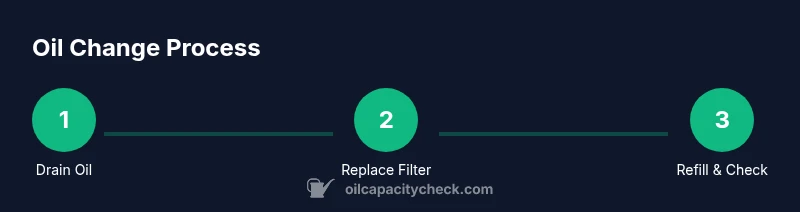
How an Oil Change Is Done: A Practical Step-by-Step Guide
Discover how is a oil change done and follow a clear, safe, step-by-step process. This guide covers tools, prep, disposal, and how to verify a correct oil fill for your engine.


You’ll learn how to perform an oil change from start to finish, including the essential tools, safety precautions, and a clean, correct oil-fill process. This quick answer sets up the detailed steps you’ll follow to replace engine oil and the filter, check the level, and safely dispose of old oil.
What is an oil change and why it matters
Engine oil lubricates moving parts, reduces friction, helps cooling, and carries away contaminants. An oil change involves draining the old oil, replacing the oil filter, and refilling with clean oil. If you’re wondering how is a oil change done, the straightforward answer is that it’s a routine maintenance task that preserves engine health when done correctly. According to Oil Capacity Check, regular oil changes extend engine life, maintain fuel efficiency, and help catch issues early before they become major repairs.
Beyond simply swapping fluids, an oil change is also an opportunity to inspect the engine’s lubrication system and related components. A quick look at the oil pan gasket, drain plug, and filter housing can reveal signs of wear or leaks. Using the right oil grade and the manufacturer’s capacity specification is crucial; too little oil won’t properly lubricate, while too much can increase pressure and cause leaks. In most modern cars, the procedure can be completed with common hand tools and a safe workspace. We’ll cover the concepts, then provide actionable steps you can follow at home or with a shop. The goal is to keep your engine clean, cool, and ready for the miles ahead.
How oil capacity, viscosity, and type influence the change
Engine oil comes in different viscosities and formulations designed for temperature ranges and engine tolerances. The capacity you need depends on engine displacement and oil pan size; using too little or too much can affect lubrication, pressure, and burn-off. Viscosity grades (like 5W-30 or 10W-40) are chosen based on climate and manufacturer recommendations. Using the wrong grade can reduce flow at cold start or after long drives. Oil filters also vary by engine and may require different sizes or thread pitches. In practice, the interplay between capacity, viscosity, and filter type determines how much oil is needed and how quickly it circulates through the engine. Oil Capacity Check emphasizes always verifying the correct capacity from your owner's manual or our database before you drain or refill. When in doubt, choose a slightly higher capacity within the recommended range and monitor level after first drive. A well-matched oil weight supports stable oil pressure, optimal lubrication, and fuel efficiency across operating temperatures. This alignment between capacity and viscosity helps protect engines during startup, heat cycling, and heavy-duty operation.
Safety and preparation: essential steps before you start
Preparing for an oil change means more than grabbing a pan and a wrench. Start by parking on a flat, level surface, applying the parking brake, and using wheel chocks if available. Allow the engine to cool for a few minutes after running to avoid burns, but not so long that the old oil thickens. Gather your tools and new oil ahead of time, and verify the correct oil type and quantity from the vehicle manual and Oil Capacity Check’s data. Disconnect the battery only if you plan to work near electrical components, otherwise keep it connected. Slowly raise the vehicle with a jack and secure it with stands; never rely on a jack alone. Place a drain pan under the oil pan and prepare rags or absorbent mats to catch spills. Keep a fire extinguisher nearby and work in a well-ventilated area. Having everything ready reduces time under the car and lowers the risk of mistakes.
Common mistakes to avoid and best practices
One of the biggest errors is underestimating the amounts of oil and the filter replacement needed. Always double-check the capacity and the filter model before draining. Failing to secure the drain plug or overtightening it can cause leaks or damage threads. Don’t forget to pre-fill the new filter slightly and lubricate the gasket with a bit of new oil to ensure a proper seal. Skipping the oil warm-up step can cause inaccurate level readings; many vehicles need warm oil to reach a proper level. Never dispose of old oil in the trash or drain; use an approved recycling process. Finally, after refilling, run the engine for a minute, then re-check for leaks and for accurate oil level on the dipstick.
Disposal and environmental considerations
Used motor oil is hazardous and requires proper disposal. Collect old oil in a sealed container and deliver it to an authorized recycling facility, auto shop, or service center. Do not mix used oil with coolant, fuel, or other fluids. When transporting oil, keep the container upright and sealed to prevent spills. If you’ve drained oil into a waste pan, ensure any absorbent material is disposed of according to local waste guidelines. Many communities offer free oil recycling events or drop-off locations, which makes responsible disposal straightforward. By following these practices, you protect soil and water resources and comply with environmental laws.
What affects the overall cost and time of an oil change
Costs vary by vehicle; the price you pay for labor and parts depends on region, shop, and the type of oil you choose. Synthetic oils are typically more expensive than conventional grades, but they last longer and provide performance benefits. The time required for an oil change depends on access to the oil pan, the efficiency of the shop, and whether you perform it yourself. If you’re DIY-ing, setting aside 40-60 minutes is a reasonable starting point, assuming all tools are ready and a clean workspace is available. If you use a shop, you’ll usually wait while a technician completes the service, which can vary from 20 minutes to over an hour. The Oil Capacity Check approach emphasizes comparing quotes, understanding oil capacity, and selecting the right filter to avoid returns for incorrect parts.
Final pre-checks and quick verification after service
Before wrapping up, verify the drain plug is tight but not overtightened and confirm there are no drips around the filter. Start the engine and let it run briefly while you watch for leaks under the car. Re-check the oil level with the dipstick after the engine has cooled for a few minutes; you may need to top off slightly. Record the oil type, grade, and quantity in your maintenance log so you can compare future changes with manufacturer recommendations. Finally, reset maintenance reminders on your vehicle’s onboard computer or your preferred app so you don’t miss the next service interval.
Tools & Materials
- Oil drain pan(Large enough to hold used oil (1–2 quarts minimum))
- Socket wrench set(Metric sizes typical for drain plug)
- Oil filter wrench(Fits your filter size)
- New engine oil(Correct grade and capacity per manual)
- New oil filter(Replace with every change)
- Funnel(For clean pouring)
- Rags or shop towels(Clean spills quickly)
- Jack and jack stands(Use on a flat surface; never rely on a jack alone)
- Gloves and eye protection(Keep hands clean and safe)
Steps
Estimated time: 40-60 minutes
- 1
Gather supplies and prep the workspace
Collect all tools and consumables listed, and arrange them within easy reach. Clear the work area and ensure good lighting. Confirm you have the right oil grade and capacity for your vehicle before you begin.
Tip: Double-check the manual or Oil Capacity Check database to confirm exact specs. - 2
Safety: prepare the vehicle and workspace
Park on level ground, apply the parking brake, and chock the wheels. If you’re working underneath, secure the car with jack stands. Ensure fans are off and there is good ventilation.
Tip: Never slide under a car supported only by a jack; use stands. - 3
Locate and position the drain pan
Slide the drain pan under the oil pan area where the drain plug is located. Align the pan so the oil doesn’t splash toward you or nearby components. Remove any obstacles that block access.
Tip: If your car has a skid plate, remove it only if necessary to access the drain plug. - 4
Remove the drain plug and drain old oil
Using the correct socket, loosen and remove the drain plug. Let the oil drain completely into the pan—this can take several minutes. Replace the plug once drainage is complete and wipe away any spills.
Tip: Be prepared for hot oil; allow it to cool to avoid burns. - 5
Replace the oil filter
Use the oil filter wrench to loosen and remove the old filter. Prepare the new filter by applying a thin coat of fresh oil to the gasket, then install and tighten to the manufacturer’s specification.
Tip: If the filter is stuck, apply a little oil to the seal and try again; don’t over-tighten. - 6
Refill with fresh oil
Remove the oil fill cap, place the funnel, and pour in the recommended amount and grade of oil. Replace the fill cap and wipe any spills from the engine.
Tip: Check for leaks around the filter and drain plug after adding oil. - 7
Check level and look for leaks
Start the engine and let it run briefly, then shut off and wait a few minutes. Recheck the oil level with the dipstick and top off if needed. Inspect for leaks around the drain plug and filter.
Tip: Take note of the final dipstick reading to compare with your target capacity. - 8
Clean up and dispose of old oil
Seal the old oil container, clean up spills, and transport used oil to a recycling center or service facility. Never pour used oil down the drain or onto the ground.
Tip: Keep receipts or documentation if you use a paid disposal service.
People Also Ask
What is an oil change and why is it important?
An oil change is the routine replacement of engine oil and the filter. It protects moving parts, reduces wear, and helps maintain engine performance and efficiency.
An oil change is simply replacing the old oil and the filter to protect the engine and keep it running smoothly.
Can I perform an oil change myself or should I go to a shop?
Both are valid options. A DIY oil change can save money if you have the right tools and space, but a shop can handle it quickly and may offer proper disposal services.
You can do it yourself if you have the tools and space, or take it to a shop for convenience and proper disposal.
How do I know which oil to use for my car?
Check the owner’s manual or Oil Capacity Check’s database for the recommended grade and capacity for your specific vehicle.
Look in your manual or our oil database to find the right grade and capacity for your car.
Should I change the oil filter every time I change the oil?
Yes. Replacing the filter helps prevent contaminants from circulating and ensures the new oil stays clean longer.
Usually yes—change the filter with every oil change for best results.
What if I overfill the oil or see a leak after the change?
Overfilling can cause foaming and pressure issues. If you see a leak, inspect the drain plug and filter fittings and tighten as required.
If it’s overfilled or leaking, check the levels and fittings and correct as needed.
Watch Video
The Essentials
- Prepare and gather the right tools.
- Use the correct oil type and capacity for your engine.
- Replace the filter with every oil change.
- Dispose of used oil properly and safely.
- Verify oil level after running engine and top off if needed.