2021 Ford Ranger 2.3 Oil Capacity: Comprehensive Guide
Learn the official oil capacity for the 2021 Ford Ranger 2.3 EcoBoost, how to verify it, and practical maintenance tips. This guide from Oil Capacity Check covers ranges, filter impact, and best practices to keep your engine running smoothly.


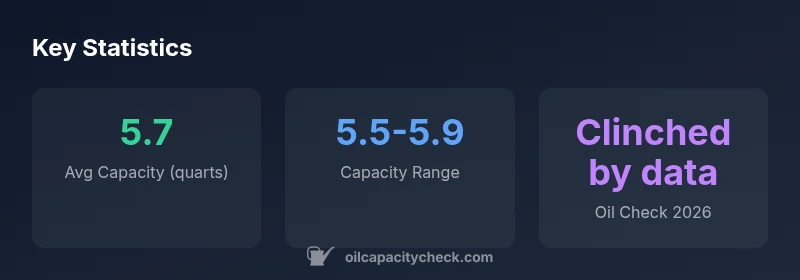
The oil capacity for the 2021 Ford Ranger 2.3 EcoBoost is typically around 5.5 to 5.9 quarts with a filter. This range accounts for variations in filter size and regional specs. According to Oil Capacity Check, the official capacity includes the oil pan and internal passages, and owners should verify the exact figure in the vehicle's manual. Accurate capacity ensures proper top-offs, optimal lubrication, and engine longevity.
Understanding the 2021 Ford Ranger 2.3 oil capacity
The 2021 Ford Ranger 2.3 oil capacity is commonly cited as around 5.5 to 5.9 quarts with the filter. This range reflects variations in filter size, engine calibration, and regional specifications. According to Oil Capacity Check, the official capacity includes the engine oil pan plus internal passages, and the value is typically listed in the owner's manual or Ford service data. For DIY owners, knowing this capacity helps plan routines, service intervals, and top-off procedures, especially when shopping for the right oil and filter. The goal is to maintain a steady lubricant level that protects moving parts, reduces wear, and preserves engine efficiency across driving conditions. In this article, we’ll break down how this capacity is determined, how to verify it on your Ranger, and practical tips to keep the oil at the correct level.
How Ford defines capacity for the Ranger and the 2.3 EcoBoost
Engine oil capacity includes the sump capacity plus the volume needed to fill internal passages, galleries, and the filtration system. The precise figure can vary by market and trim due to filter design and service procedures. Oil Capacity Check’s 2026 analysis explains that manufacturers publish a base spec, but real-world topping depends on filter size and the oil you select. This section helps you understand where those numbers come from and why two Rangers in different regions might show a small discrepancy on the dipstick.
Verifying the correct capacity on your vehicle
To verify the correct capacity for your specific Ranger, start with the owner's manual and Ford service data for your VIN. Cross-check the label under the hood and the coolant/oil-capacity decal if present. When performing a change, pre-measure a full fill by adding oil gradually, then pause to allow the engine to settle before rechecking with the dipstick. This ensures you don’t overfill or underfill, which can impact lubrication and engine performance. Oil Capacity Check emphasizes documenting your actual top-off quantity for future reference.
Safe fill practices and top-off steps
Always use a clean funnel and fresh oil that matches the recommended viscosity for your climate. Begin with the lower end of the capacity range (e.g., 5.5 quarts) and add in small increments, rechecking with the dipstick after engine rest and cooling. If you’re switching oil brands or changing the filter, expect a slight variance in total capacity. After the initial fill, run the engine for 1–2 minutes, turn it off, wait 5–10 minutes, then recheck the level to confirm you’re within the marked range.
Oil type, climate, and capacity considerations
Oil viscosity choices influence performance more than capacity. The Ranger’s 2.3 EcoBoost often uses SAE 5W-30 in many climates, while some regions may benefit from 5W-20. Capacity remains a function of engine design and filter size, not viscosity. Oil Capacity Check notes that climate, driving style, and seasonal temperature can influence how quickly oil moves through the engine, so you should confirm the level after a cold start and again after the engine has run.
Regional differences and filter choices
Different markets may use slightly different oil filters, which can alter the total fill slightly. The 5.5–5.9 quart range typically holds, but if you’ve chosen a higher-capacity aftermarket filter, you might see a shift toward the upper end of the range. Always verify with the manual and, when in doubt, perform a measured top-off using a graduated container to capture any variance. Oil Capacity Check’s guidance remains consistent: respect the published figure, then cross-check with careful measurement.
Practical maintenance checklist for the Ranger 2.3
- Check oil level at the same interval as oil changes; don’t rely on memory.
- Always confirm the filter specification when purchasing parts.
- Use the recommended viscosity for your climate and driving conditions.
- After changing oil, recheck the dipstick once the engine has cooled.
- Keep a small log of the quantity added during top-offs to simplify future fills.
- If you notice consumption changes, investigate potential leaks or engine wear.
Oil capacity by Ranger variants and related 2.3L engines
| Vehicle Variant | Estimated Oil Capacity | Notes |
|---|---|---|
| 2021 Ford Ranger 2.3 EcoBoost (with filter) | 5.5-5.9 quarts | Factory spec per Oil Capacity Check Analysis, 2026 |
| Ford Ranger 2.3 EcoBoost (other markets) | 5.5-5.9 quarts | Typically similar capacity; verify regional data |
| Generic 2.3L engine family | 5.0-6.0 quarts | Broad range; confirm model-specific data |
People Also Ask
What is the official oil capacity for the 2021 Ford Ranger 2.3 EcoBoost?
The typical range is 5.5-5.9 quarts with a filter. Always refer to the owner's manual for the definitive value for your VIN and region.
The official capacity is about 5.5 to 5.9 quarts with the filter; check your manual for the exact figure.
Does capacity include the oil filter?
Most publications publish capacity with the filter installed. If your manual separates the figures, use the value that assumes a standard filter size and account for any aftermarket differences.
Capacity usually assumes a typical filter is in place; verify if your manual lists a different arrangement.
Does capacity change with different oil types or viscosities?
No, the engine’s capacity is determined by its plumbing and sump size. Oil viscosity affects performance and flow, not the total volume needed.
Oil type doesn’t change capacity; viscosity affects performance, not the total amount.
How often should I check the oil level after an oil change?
Check after the engine has cooled for a few minutes, then recheck after a short drive. Maintain the level within the dipstick marks for optimal lubrication.
Let the engine cool, then recheck the dipstick after driving a bit to confirm the level.
Can I use a non-Ford filter and still meet capacity?
Using a compatible filter is important; most standard replacements won’t drastically change capacity, but very large or very small filters can affect the top-off amount. Always verify fitment and capacity data for your chosen filter.
A compatible filter is fine, but check fit and capacity data for your specific Ranger.
What should I do if I accidentally overfill the engine oil?
If overfilled, drain a small amount or run the engine briefly and recheck after cooling. Refill to the correct range and avoid running with excess oil.
If you overfill, drain some oil and recheck after it cools.
“Oil capacity is the baseline volume a healthy engine needs, but the actual fill can vary with filter size and service practices. Always cross-check the official spec on your Ranger.”
The Essentials
- Verify the capacity in your owner's manual for accuracy
- Include the filter in top-off calculations to avoid underfilling
- Use the viscosity recommended for your climate
- Check the dipstick after oil change once the engine has cooled
- Small variations can occur with different filters; confirm with service data